Two Peas in a Pod
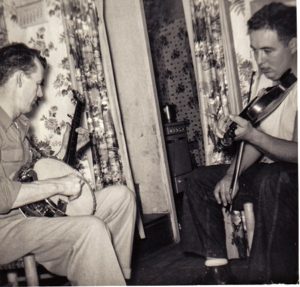 My dad and Uncle Millard differed in many ways. However, they were like two peas in a pod in their love for music.
Dad and Uncle Millard did not want to play music professionally. Instead, they played for the joy of playing. They often gathered with other musicians in our kitchen on Friday or Saturday nights for a time of “picking and grinning.”
Two peas in a pod means two items or people are as much alike as two peas in the same pod.
 In addition to shared interests, like Dad and Uncle Millard, two peas in a pod may:
- Look alike (identical twins, who are the spitting image of one another)
- Have similar beliefs (people who attend the same church)
- Act the same (shy people)
- Share all the above
The similarities of two peas in a pod may change with time.
Several people grow more alike. Others become quite different.
People have no choice with some similarities.
They cannot choose:
- Birth family
- Health at birth
- Many life circumstances
However, they can choose:
- Friends
- Education
- Activities
- Health care
Those who make poor choices must face the music. Others wisely follow in the footsteps of those who lead them well.
“The righteous choose their friends carefully, but the way of the wicked leads them astray” (Proverbs 12:26 NIV).
Thanks to Joyce Cordell for the suggestion. Second photo courtesy of Pixabay.
Do you have an expression you want explained? If so, please comment below.
Subscribe to receive my weekly posts by email and receive a free copy of “Words of Hope for Days that Hurt.”
If you enjoyed this post, please share it with your friends.
 Many times we feel like we are drowning in a sea of responsibility. The storms of life hit. We have too much to do with too little time or energy to do it. Yet, we keep on keeping on.
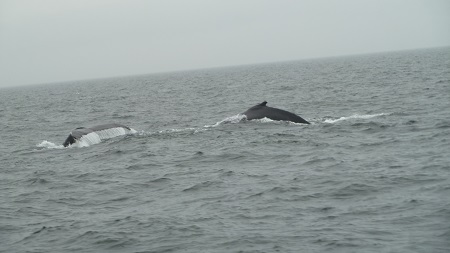 Other storms remain with us.
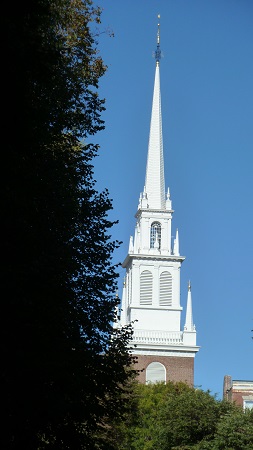 On April 18, 1775, many people in Boston kept their eyes peeled on the steeple of the Old North Church. There, two signal lanterns warned of British troops approaching by sea. This American history event became well known in Henry Wadsworth Longfellow’s poem, Paul Revere’s Ride.
 They choose a slower, more relaxed lifestyle.
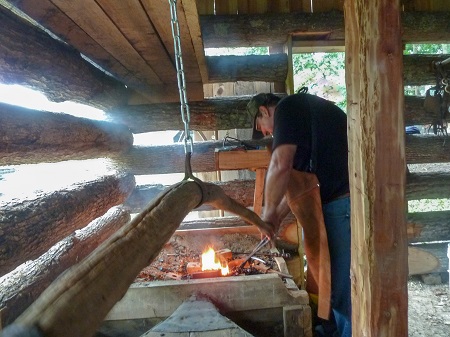 Anthony Salyers demonstrates the work of an old-time blacksmith shop during
  Anything piping hot is very hot.
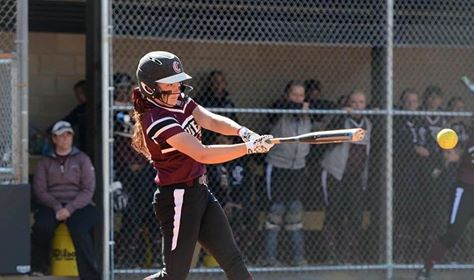 I always wanted to hit a ball over the fence when I played softball. I never did. No matter how hard I would swing for the fences, I could not do it.
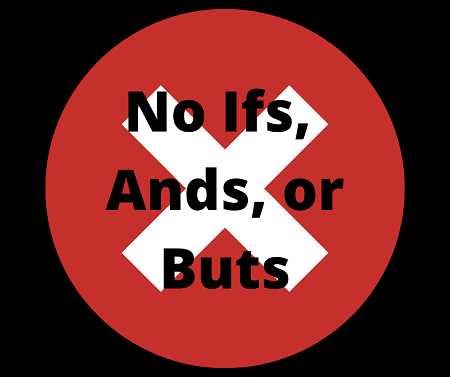 “If you miss more than three classes, you fail. No ifs, ands, or buts about it.” Few students want to hear those words. Definitely not if they just missed a third class.
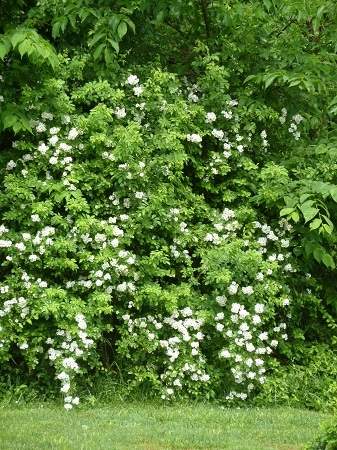 We often hear dogs chasing rabbits behind our house. They may or may not catch any rabbits. However, we know the chase ends when the barking stops.
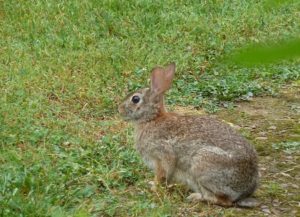 Rabbits are fun when they cause no damage. Chasing rabbits is fun, if we eventually
  Please welcome my friend Andrea Giordano as today’s guest writer. I met Andrea when she was Executive Director of TESOL and ESL Programs at
  Running on fumes means you are tired or have little emotional energy.