Browsed by
Category: Relationships

Horse Sense

Horse Sense

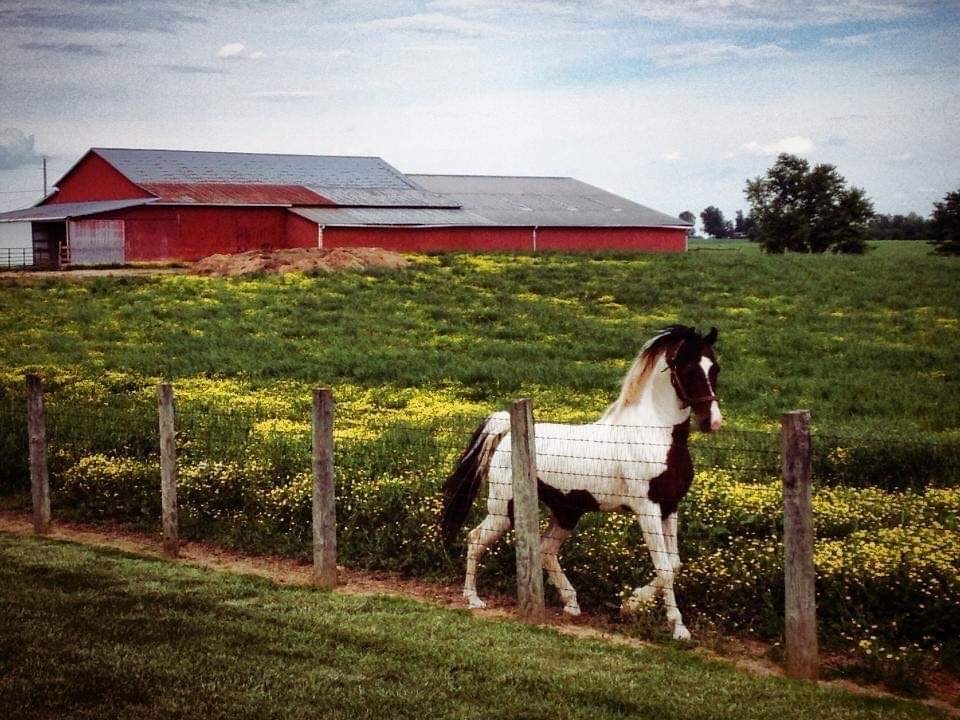
Horse Sense-horse walking beside a fence with a red barn in the backgroundWe can be sharp as a tack but not have a bit of horse sense. Education does not give us horse sense. Neither does talent. Instead, it is what we do with the knowledge, education and talent we possess.

Horse sense is common sense.

It does not require:

  • An impressive resume
  • A sophisticated lifestyle

We use wisdom in what we say and do. Sometimes that wisdom outwits the more intelligent and better educated.

With horse sense, we make practical decisions that work well.

Those decisions apply to:

  • Relationships
  • Jobs
  • Free time

We learn when to act and when to hold our horses.

Good decisions lead to a good life. Therefore, we want to stay wise as an owl, always ready to do what is right.

“‘Learn to be wise,’ he said, ‘and develop good judgment and common sense! I cannot overemphasize this point’” (Proverbs 4:5 TLB).

Thanks to Beckham Wilson for the suggestion and to Jeri Gumm Stone for the photo.

Do you have an expression you want explained or a thought about this one? If so, please comment below.

Subscribe to receive my weekly posts by email and receive a free copy of “Words of Hope for Days that Hurt.”

If you enjoyed this post, please share it with your friends.
Happy as a Lark

Happy as a Lark

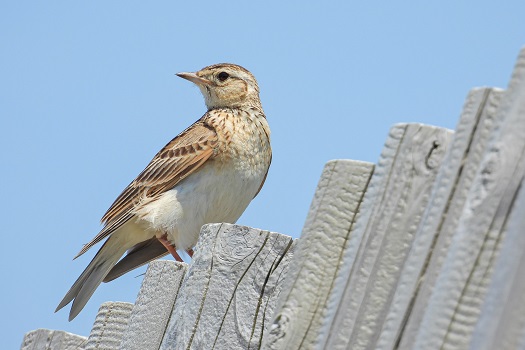
Happy as a Lark--skylark on a fenceNothing compares to the sound of birds singing. Hearing their music makes many of us happy as a lark.

Listen to the songs of a western meadowlark here. For six-year-old William Zhang’s performance of Tchaikovsky’s Song of the Lark, Op. 39 No. 22, listen here.

Happy as a lark means very happy.

 Little things often give us joy.

  • A child with a toy
  • Time with family and friends
  • A walk in the park

We increase our happiness when we make others happy.

Causing them to smile makes us smile too.

Look for opportunities to make others happy as a lark.

We get so busy we often fail to notice needs around us. Instead, we can:

  • Babysit for a tired mom, swamped with responsibility.
  • Run errands for a sick neighbor.
  • Take children to sing for a senior citizens group
  • Cheer up someone down in the dumps.

Enjoy the songs of birds. Share your songs of joy with a hurting world.

“The birds of the sky nest by the waters; they sing among the branches” (Psalm 104:12 NIV).

Thanks to Bill Ellis, whose May 2022 Kentucky Monthly article, “Though I’ve Never Played a Violin, I’m Fit as a Fiddle,” led to this post. Image by Johnnys_pic from Pixabay.

Do you have an expression you want explained or a thought about this one? If so, please comment below.

Subscribe to receive my weekly posts by email and receive a free copy of “Words of Hope for Days that Hurt.”

If you enjoyed this post, please share it with your friends.
There Now

There Now

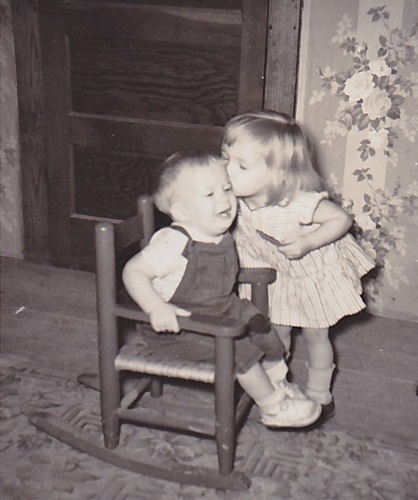
There Now--little girl kissing the head of a little boy in a rockerWhen I needed comfort as a child, I could go to several relatives. They often responded with, “There now. Don’t cry. Everything will be okay.” I felt better immediately. Everything usually was okay.

My troubles included such tragedies as:

  • Bee stings
  • Poison ivy
  • Falls
  • Childhood quarrels

For bigger problems, they doubled their comfort. “There, there now” gave an extra word for extra cheer.

A few problems lasted longer than usual. For those, they reminded me everything would come out in the wash.

I learned from their comfort how to comfort others.

There now soothes or reassures someone having a tough time.

It helps a hurting person:

The need for comfort does not stop as an adult.

Troubles may differ, but they remain as real.

  • Health crises
  • Relationship woes
  • Financial stresses
  • Work demands

Ways to cheer one another include:

  • Prayers
  • Notes
  • Calls
  • Visits
  • Texts
  • Hugs, if appropriate

Listening is more important than talking. Availability is more important than activity.

Shout for joy, you heavens; rejoice, you earth; burst into song, you mountains! For the Lord comforts his people and will have compassion on his afflicted ones (Isaiah 49:13 NIV).

Thanks to Rita Smalley for the suggestion.

Do you have an expression you want explained or a thought about this one? If so, please comment below.

Subscribe to receive my weekly posts by email and receive a free copy of “Words of Hope for Days that Hurt.”

If you enjoyed this post, please share it with your friends.
Fish or Cut Bait

Fish or Cut Bait

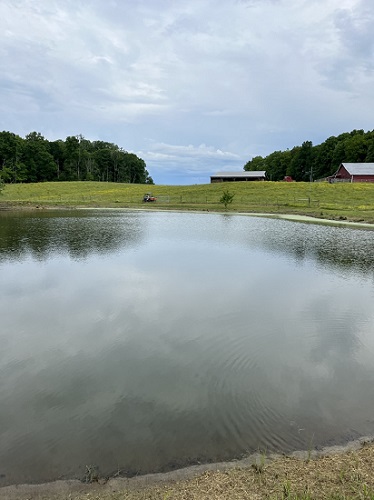
Fish or Cut Bait--farm pond with barns and trees in the backgroundI rarely fish. When I do, people with me probably wish I had stayed home.

They never say to fish or cut bait. I’m sure they think I should.

I hate to touch worms or fish. Therefore, someone else has to put on my worms and take off my fish.

However, I do have one tall tale about catching a huge catfish in my family’s pond.

Of course, I caught that whopper by accident.

Fish or cut bait means to get to work or get out of the way.

Do I plan to fish? If not, I need to move, so others can. If I choose not to fish, I can cut up their bait. Ick! I don’t want to do that either. I rather take pictures or go home.

Fish or cut bait applies to any type of work or activity.

 When I fail to do my job, I waste my time and the time of others. Therefore, I need to:

  • Decide if I plan to work or watch
  • Proceed with my job or leave it
  • Use or stop wasting resources

Jesus calls believers to fish for people.

Fishing for people is not only a job for preachers and teachers. It is a call for all Jesus’ followers. No ifs, ands, or buts. Jesus calls us to fish. If we love God and love others, we will share that love.

 “‘Come, follow me,’ Jesus said, ‘and I will send you out to fish for people’” Matthew 4:19 NIV).

Thanks to Emily Akin for the suggestion and to Robbie Childress for the photo.

Do you have an expression you want explained or a thought about this one? If so, please comment below.

Subscribe to receive my weekly posts by email and receive a free copy of “Words of Hope for Days that Hurt.”

If you enjoyed this post, please share it with your friends.
Take the Cake

Take the Cake

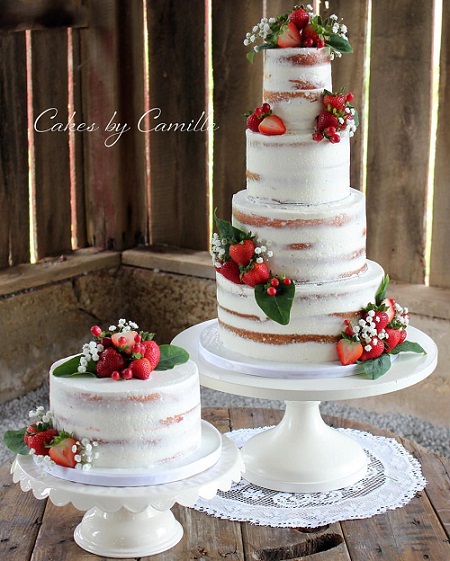
Take the Cake-wedding cakes with strawberries and baby's breathThis expression would probably take the cake in a contest of contradictions.

To take the cake can mean either the best or the worst.

We see examples of the best when a person:

  • Wins a contest and receives the prize
  • Excels in school or work
  • Stands out from everyone else

We might say, “She has created great art before, but this piece takes the cake.”

Examples of the worst include someone who:

  • Acts horrible
  • Mistreats others
  • Appears foolish

We might say, “He has done stupid things before, but that takes the cake.

Take the cake can also mean something unbelievable.

The hard to believe may be important or simply fun. For example, the horse that won the recent Kentucky Derby was the least expected to win.

It may also be horrible or wonderful. In several instances, family members of murdered missionaries continued to serve their loved ones’ killers.

If we want to take the cake, let’s do so in the best way. Make it unbelievably good.

“This is what the Lord says—your Redeemer, the Holy One of Israel: “I am the Lord your God, who teaches you what is best for you, who directs you in the way you should go. (Isaiah 48:17 NIV).

Thanks to Ann Maniscalco and Janna Babak for the suggestion and to Cakes by Camille for the photo.

Do you have an expression you want explained or a thought about this one? If so, please comment below.

Subscribe to receive my weekly posts by email and receive a free copy of “Words of Hope for Days that Hurt.”

If you enjoyed this post, please share it with your friends.
Goody Two-shoes

Goody Two-shoes

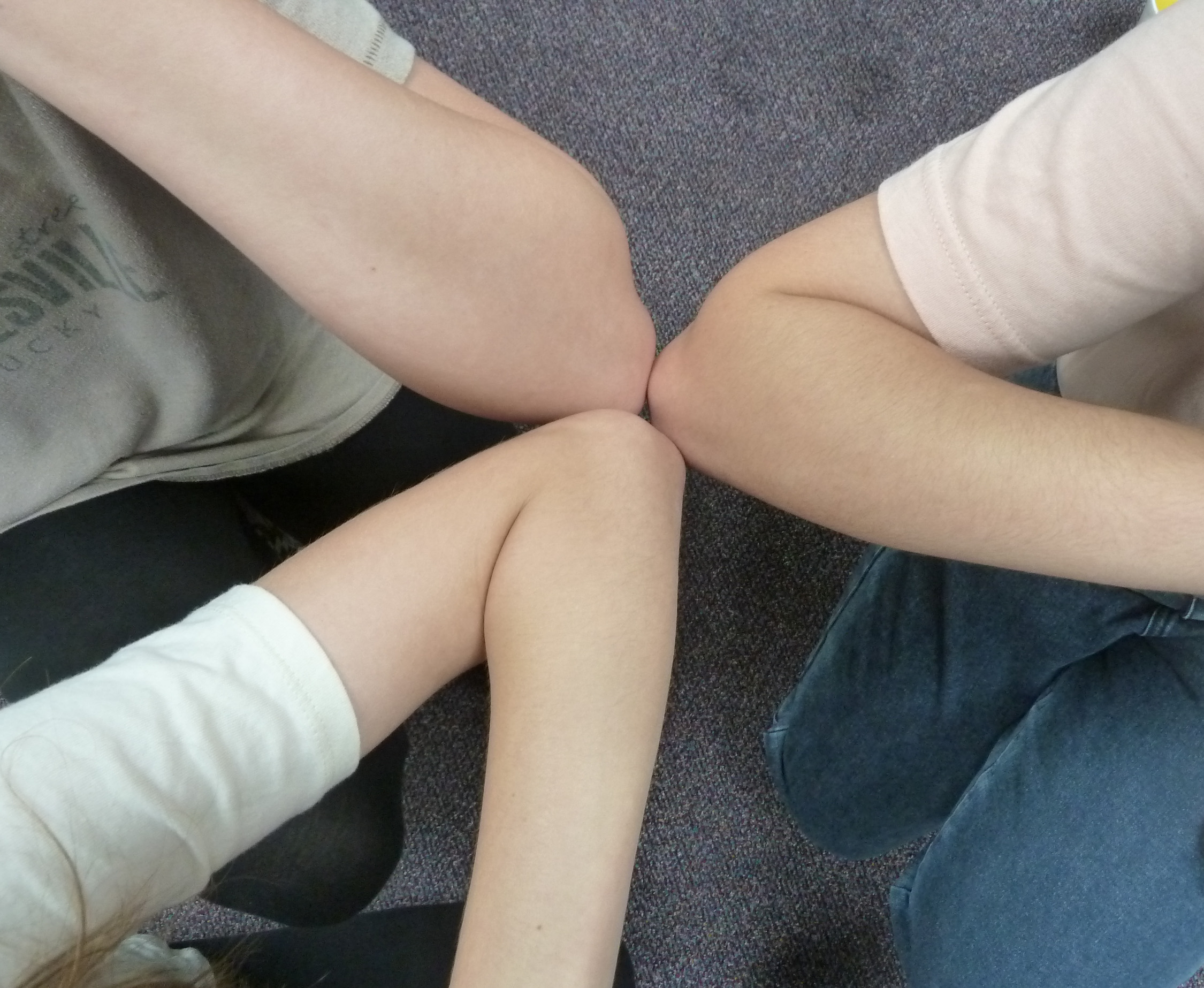
Goody Two-shoes--legs and feet of a little girl and boy on a couch with a dog between themWe discover a big difference between a good person and a goody two-shoes. The first wants to live a respectable, moral life. The second acts self-righteous with a holier-than-thou attitude.

A goody two-shoes tries to act better than everyone else.

However, that behavior comes from a self-serving motive. The person, also called a goody-goody, follows laws or rules more from pride or self-interest than beliefs. That often results in getting someone else in trouble.

Goody two-shoes people have existed since ancient times.

Jesus taught the importance of hearts made right with God rather than rituals of righteousness. People can follow the law but still hurt others. If their only concern is themselves, they have missed God’s message of love and forgiveness.

Instead of a focus on self, Jesus taught and lived to:

  • Go beyond laws and customs – to go the second mile.
  • Live humbly.
  • Love and forgive.
  • Help others.

Remain honest – a genuinely good person, not a goody two-shoes.

“Put on the new self, created to be like God in true righteousness and holiness” (Ephesians 4:24 NIV).

Thank you to Cynthia Shoemaker for the suggestion. Photo courtesy of Pexels with Pixabay.

Do you have an expression you want explained or a thought about this one? If so, please comment below.

Subscribe to receive my weekly posts by email and receive a free copy of “Words of Hope for Days that Hurt.”

If you enjoyed this post, please share it with your friends.
Take Their Half Out of the Middle

Take Their Half Out of the Middle

Take Their Half Out of the Middle--winding country roadI never like to meet drivers who take their half out of the middle of the road. Especially on a winding country road. They only take half. However, other drivers have no safe place to go. The person in the middle risks the lives of everyone they meet.

Drivers should remain on one side of the road. In the United States, they stay on the right. In several countries, they drive on the left. Drivers need to remain on the correct side, wherever they travel.

To take their half out of the middle means to take the correct amount but in a way that hurts others.

Although this often refers to drivers, it also applies to other circumstances.

  • People who eat the center of a cream filled cake or cookie
  • Children who refuse to move from the center of a car’s back seat
  • Anyone who takes the best from the center of anything

Instead of a total focus on self, consider the rights of others.

  •  What do they need?
  • How can I help?

Rather than self-centered, why not self-giving?

“Command them to do good, to be rich in good deeds, and to be generous and willing to share” (1 Timothy 6:18 NIV).

Thanks to Judy Beth Shugart Clark for the suggestion.

Do you have an expression you want explained or a thought about this one? If so, please comment below.

Subscribe to receive my weekly posts by email and receive a free copy of “Words of Hope for Days that Hurt.”

If you enjoyed this post, please share it with your friends.
Cut and Dried

Cut and Dried

Cut and Dried--bunches of dried flowersI love to go outside to look at flowers. A stop to smell the roses refreshes my body and mind. I rarely cut them to bring inside. They wilt and die too quickly. However, I do decorate with cut and dried flowers.

Dried flowers remind me to find beauty following tough times. They also match my love for a vintage look. Most of all, I appreciate their lasting value. They bring smiles for years rather than days.

Cut and dried means unchanging.

Like cut and dried flowers, a situation remains the same over time. It is:

  • Decided
  • Settled
  • Clear
  • Definite

This description can refer to plans or solutions to problems.

Cut and dried can also mean dull or boring.

A situation is:

  • Uninteresting
  • Common
  • Routine

Writers and speakers never want to appear cut and dried.

Not everything cut and dried is dull or boring.

Many plans, solutions, and presentations never change. Yet they challenge and inspire. Like dried flowers, they endure.

For example, a man asked Jesus for the greatest commandment. Jesus said to love God and love others. His response, in a nutshell, was clear and unchanging. It was not boring then. It is not boring now.

“The most important one,” answered Jesus, “is this: ‘… Love the Lord your God with all your heart and with all your soul and with all your mind and with all your strength.’ The second is this: ‘Love your neighbor as yourself.’ There is no commandment greater than these” (Mark 12:29-31 NIV).

Thanks to Joe Klotz for the suggestion. Image by Richgold from Pixabay.

Do you have an expression you want explained or a thought about this one? If so, please comment below.

Subscribe to receive my weekly posts by email and receive a free copy of “Words of Hope for Days that Hurt.”

If you enjoyed this post, please share it with your friends.
Nail It

Nail It

Cross in center of paper, nailed to a rough piece of woodDuring the Olympics and other sporting events, athletes want to nail it.

  • Skaters desire a perfect balance of style, strength, and difficulty.
  • Swimmers want to remain in their lanes and reach the wall first.
  • Runners pull out all the stops to cross the finish line before anyone else.

To nail it is to do a job well.

People succeed. They complete accurate work or present an almost perfect performance. They hit the nail on the head.

Jesus nailed our sins to the cross.

Although soldiers hung Him there, Jesus gave His life freely.

Jesus lived a perfect life and died the perfect sacrifice for our sins. His resurrection on the third day was the final nail of victory over sin and death.

We nail our part in God’s perfect plan when we accept Jesus’ offer of salvation.  

We cannot earn our way to heaven. However, Jesus prepared the way for us. He nailed our salvation.

At Easter and always, we celebrate and tell others of the fresh start possible through Jesus’ perfect gift.

“[God] forgave us all our sins, having canceled the charge of our legal indebtedness, which stood against us and condemned us; he has taken it away, nailing it to the cross” (Colossians 2:13-14).

Thanks to Debbie Tapscott for the suggestion. Image by congerdesign from Pixabay.

Do you have an expression you want explained or a thought about this one? If so, please comment below.

Subscribe to receive my weekly posts by email and receive a free copy of “Words of Hope for Days that Hurt.”

If you enjoyed this post, please share it with your friends.

Stop and Smell the Roses

Stop and Smell the Roses

Stop and Smell the Roses--roses and other flowers around a pool of waterMy husband and I love to travel. For years, we planned our own trips and did our own driving. We hit the trail as often as possible. I usually scheduled far more than we had time to do. However, we learned to stop and smell the roses along the way.

Our schedule was not as important as fun on the trip. We began according to plan but made changes along the way. We went off the beaten path almost every trip and are so glad we did.

To stop and smell the roses means to take time to enjoy life.

We slow down and relax. That means we:

  • Get away from our busy schedules
  • Recognize the importance of mini moments of joy.

Without breaks, stress builds.

No one can go forever. If we fail to get away, our:

  • Health suffers
  • Work becomes less productive
  • Relationships weaken

We must stop and smell the roses if we desire a good life.

Leisure time is a necessity, not a luxury. When God created the world, he set aside one day a week to rest and worship. The value of that plan remains as important now as then.

“Ask the Lord for rain in the springtime; it is the Lord who sends the thunderstorms. He gives showers of rain to all people, and plants of the field to everyone” (Zechariah 10:1 NIV).

Thanks to Karen Hart for the suggestion.

Do you have an expression you want explained or a thought about this one? If so, please comment below.

Subscribe to receive my weekly posts by email and receive a free copy of “Words of Hope for Days that Hurt.”

If you enjoyed this post, please share it with your friends.