This Here
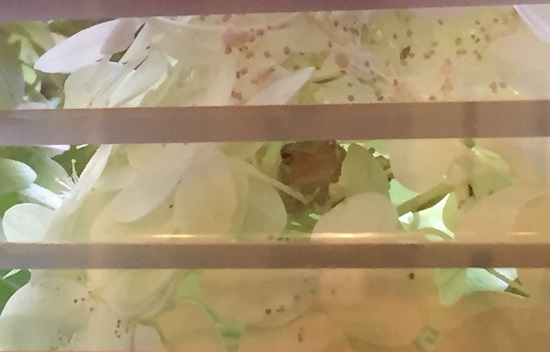 This here frog stared at me from outside our kitchen window. I stared back in amazement. He was so tiny, and he stayed in that same spot for hours. He appeared out of the blue around the same time and place the year before.
I don’t know where he stays between his yearly visits. He does not know I used to be terrified of frogs. They gave me the heebie-jeebies. Yet, his visits brighten my days.
“This here” points out someone or something.
It is an informal way to say “this” and refers to a specific person or object.
Other examples of its use include:
- We are going fishing on this here boat.
- I want to buy this here phone.
- My family loves this here farm.
I usually hear this expression spoken in casual country conversations.
However, I have not heard it for a long time.
Whether I say “this” or “this here” matters less than the rest of my words.
Are they true and kind? Do they honor God? Like my frog friend, do they brighten someone’s day.
“The Lord detests the thoughts of the wicked, but gracious words are pure in his sight” (Proverbs 15:26 NIV).
Thanks to Catherine Nicholson for the suggestion.
Do you have an expression you want explained or a thought about this one? If so, please comment below.
Subscribe to receive my weekly posts by email and receive a free copy of “Words of Hope for Days that Hurt.”
If you enjoyed this post, please share it with your friends.
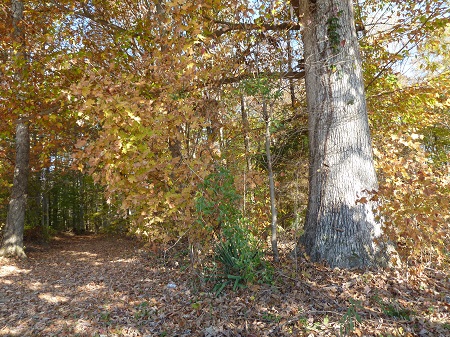 Many of us grew up in the sticks. We had to travel several miles to the closest town. Our travel time increased to reach a city. Some of us remain in the sticks or visit often.
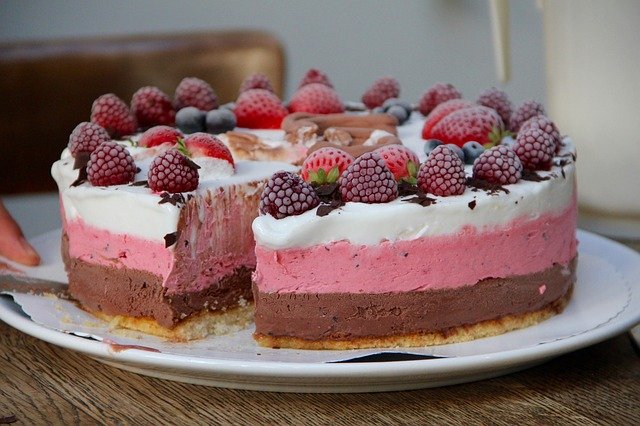 “Do you prefer ice cream, cake, or both?” “I’m leaving now. Is that okay?” “Mind if I change the station on TV?” For all these questions, we might answer, “It don’t make me no never mind.” Of course, we don’t give that answer if we prefer correct grammar.
 Lambs are small and have short tails. I don’t know if that has anything to do with the origin of two shakes of a lamb’s tail. However, it makes sense to me.
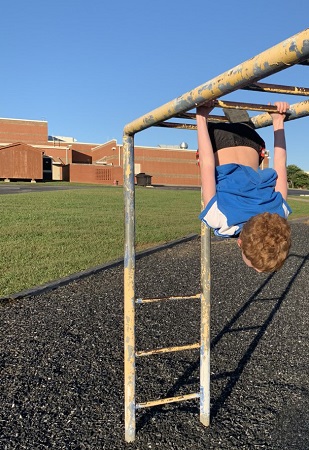 More than one way to skin a cat sounds cruel. We don’t want our cute, fur-covered pets to suffer.
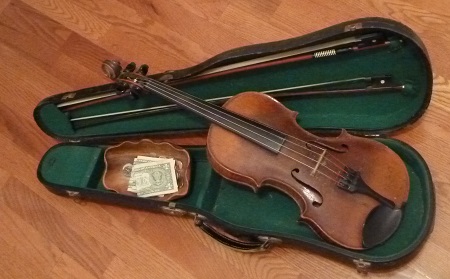 A friend’s father often said, “The one who dances has to pay the fiddler.” That makes sense. We live with the consequences of the choices we make.
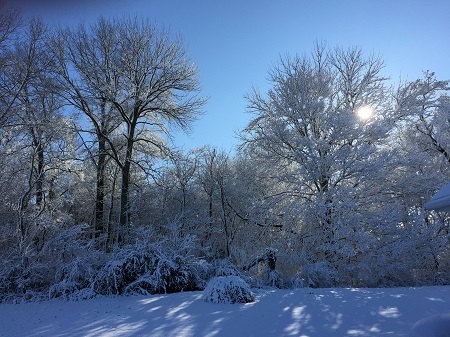 Some days everything gets out of whack.
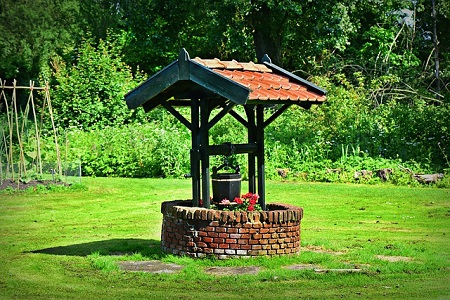 As a little girl, I loved to visit relatives who had a well with a bucket. The bucket was tied to the end of a rope. To get water, we had to:
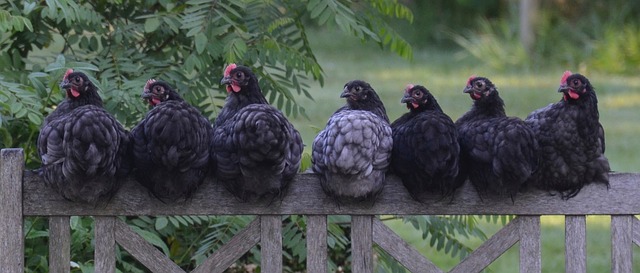 Chickens come home to roost.