Bite the Hand That Feeds You
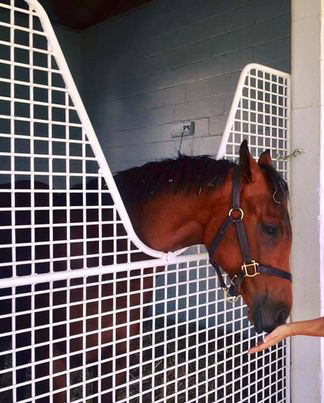 It makes no sense to bite the hand that feeds you. Some animals who eat out of a person’s hand do. So do many people.
To bite the hand that feeds you means to hurt someone who helps you.
Rather than thank a kind person, you act cruel or rude.
Examples include:
- Children who mistreat parents who provide for them.
- Students who make fun of the person who helps them with homework.
- Employees who gossip about their boss.
- People who borrow money but never repay it or act ungrateful for it.
Eventually people pay for how they act.
Many receive a taste of their own medicine. Ungrateful children often have children who treat them the same way. They learn from what they see.
Results of biting the hand that feeds you may not be immediate. Usually, however, what goes around comes around.
Why not lend a helping hand?
Instead of hurting others, help them, no strings attached. Help those who help you, but don’t stop there.
- Aid others in need.
- Show kindness to everyone.
- Learn to love the unlovable. (Remember, we are all unlovable at times.)
“You make me glad by your deeds, Lord; I sing for joy at what your hands have done” (Psalm 92:4 NIV).
Thanks to Brad Leverett for the suggestion and to Jeri Stone for the photo.
Do you have an expression you want explained? If so, please comment below.
Subscribe to receive my weekly posts by email and receive a free copy of “Words of Hope for Days that Hurt.”
If you enjoyed this post, please share it with your friends.
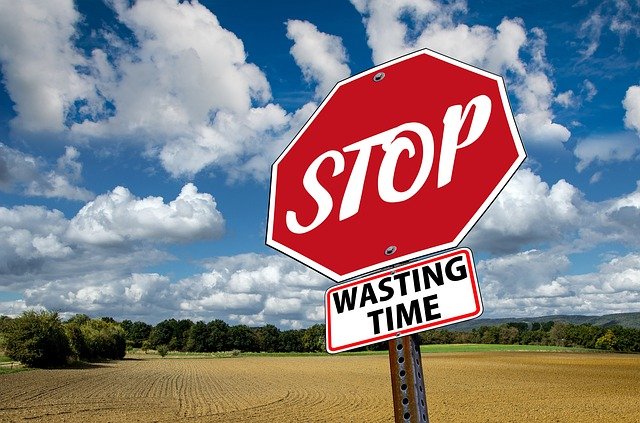 When we were children, adults occasionally warned us not to dillydally. This often happened when we failed to:
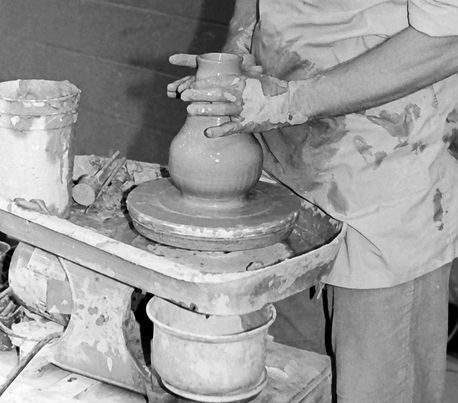 We can use our hands for great good or great evil. Too much free time often leads us the wrong direction. Idle hands are the devil’s tools.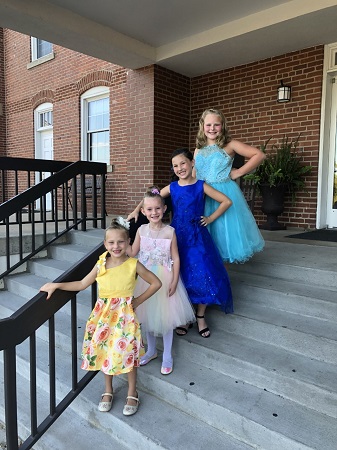
 To get to the top floor of a house, we usually climb stairs. To go over the top of the house requires more work – extreme efforts. Most of us would be foolish to try.
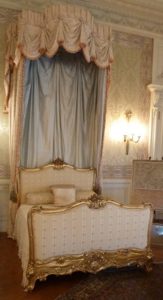 You made your bed, you must lie in it has nothing to do with making a bed. The expression focuses on behavior.
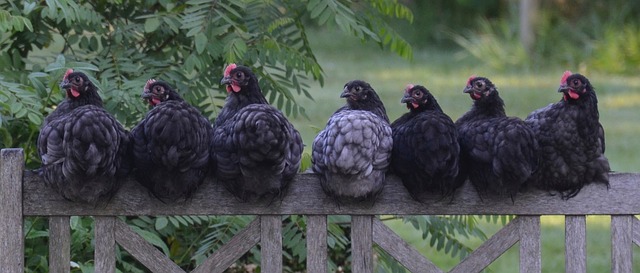 Chickens come home to roost.
 No holds barred means no rules.
 We do well if we think before we speak.
 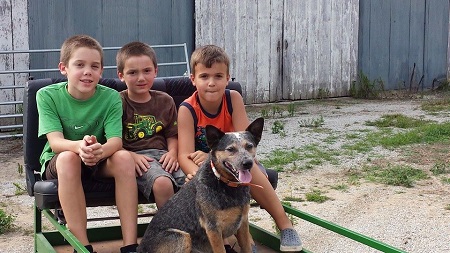 A whippersnapper usually means a young or small person.