Browsed by
Tag: pig

A Pig in a Poke

A Pig in a Poke

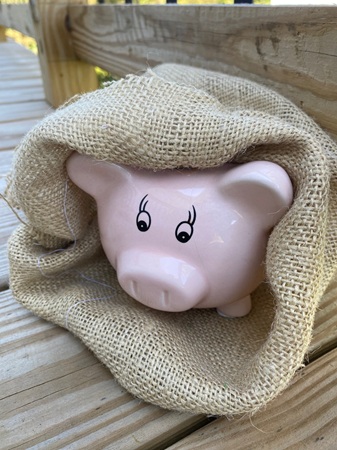
A Pig in a Poke-piggy bank in a burlap bagA friend recently bought a pig in a poke. (A poke is a bag or sack.) She did not receive what she thought she purchased.

A pig in a poke means we buy something without first inspecting it.

Scammers profit when we fail to take precautions. If the offer sounds too good to be true, it probably is.

A pig in a poke originated years ago.

Sellers of piglets displayed real pigs. However, they put other small animals, such as cats, in customers’ pokes. Anyone who revealed their trick let the cat out of the bag.

Let the buyer beware.

This precaution translates from the Latin phrase “caveat emptor.” We want to make wise decisions.

  • Examine the product.
  • Read reviews or talk with previous customers.
  • Buy from trusted sellers.

Online purchases increase the risk of buying a pig in a poke.

We cannot inspect the product in person. That makes reading reviews and buying from trusted sellers even more important.

From cars to cats, houses to hats, and power tools to pigs, be careful. We want to be sure we receive:

“Do not steal. Do not lie. Do not deceive one another” (Leviticus 19:11 NIV).

Thanks to Emily Akin and Carole Fite for the suggestion and to Debbie Tapscott for the photo.

Do you have an expression you want explained or thoughts about this one? If so, please comment below.

Subscribe to receive my weekly posts by email and receive a free copy of “Words of Hope for Days that Hurt.”

If you enjoyed this post, please share it with your friends.

Happy as a Pig

Happy as a Pig

Happy as a Pig-Gail JohnsonPlease welcome my friend Gail Johnson as today’s guest writer. Gail wrote her first song when she was twelve years old. Since then, she’s written more than 100 songs. She’s currently writing a contemporary romance series on the family farm where she enjoys her husband, kids, animals, and nature. To learn more about Gail, visit www.gailjohnsonauthor.com.

I’ve heard the phrase “Happy as a pig in the sunshine” all my life. In fact, I’ve used it several times when describing the animals on the farm.

According to Google, the correct saying is “Happy as a dead pig in the sunshine.” Eww! Big difference. When a pig dies, the sun will dry the skin, pulling it tight and leaving a grin on the face.

The old southern phrase describes someone who is blissfully ignorant of reality.

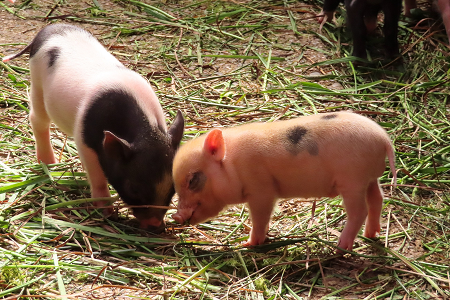
Happy as a Pig-two small pigsRather than face the truth of a matter, one happily ignores it.
Examples include:

  • Ignoring chores to sit in the sunshine with a child or a friend.
  • Turning off the news for a quiet day of rest.
  • Avoiding social media for alone time.
  • Escaping current problems for a day at the beach.

Ignorance is not bliss.

Contrary to popular belief, ignoring something doesn’t make it go away. Disregarding something for too long can cause a person to be caught unaware or become overwhelmed. Think of the mess that would accumulate if we didn’t do our housework. How would we keep up with the world around us if we never listened to the news? What about our online responsibilities? The people who depend on us don’t disappear when we disengage. Finally, who wants to become a beach bum.

Be disciplined when choosing to ignore something.

Checking out occasionally is great for refilling our hearts, souls, and minds. But there comes a time to face reality once more. When thinking about ignoring something, think about the pig in the sunshine and remember he died to get that smile. Know when to stop ignoring the issue and start engaging with life again.

“Whatever you do, work at it with all your heart, as working for the Lord, not for human masters, since you know that you will receive an inheritance from the Lord as a reward. It is the Lord Christ you are serving” (Colossians 3:23-24 NIV).

Do you have an expression you want explained? If so, please comment below.

Subscribe to receive my weekly posts by email and receive a free copy of “Words of Hope for Days that Hurt.”

If you enjoyed this post, please share it with your friends.

Photo courtesy of Gerhard G. from Pixabay.

Lipstick on a Pig

Lipstick on a Pig

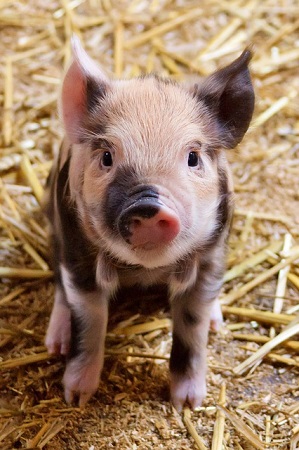
Lipstick on a Pig--baby pigWe can put lipstick on a pig, but it is still a pig.

Lipstick on a pig means we try to make something look better than it is.

  • A pretty plate does not make bad food taste good.
  • Fresh paint on a falling-down house does not make it safe.
  • A new building does not make a failing business succeed.

Change must occur inside as well as outside.

  • Cook better food to go on that pretty plate.
  • Repair the house and then paint it.
  • Change how the business in that new building operates.

Lipstick on a pig fools few people.

Often it fools no one.

Only true change makes a difference.

An improved appearance may make us feel better for a while. However, we must tackle the real problems for lasting change.

“Don’t copy the behavior and customs of this world, but be a new and different person with a fresh newness in all you do and think. Then you will learn from your own experience how his ways will really satisfy you” (Romans 12:2 TLB).

Thanks to Frank Cheatham for the suggestion.

Do you have an expression you want explained? If so, please comment below.

Subscribe to receive my weekly posts by email and receive a free copy of “Words of Hope for Days that Hurt.”

If you enjoyed this post, please share it with your friends.

High on the Hog

High on the Hog

High on the HogSome people live and eat high on the hog. They enjoy the good life. They surround themselves with luxury.

Farmers who raise hogs (pigs) understand the expression. So do butchers who cut the meat. The best cuts of pork come from the back and upper parts of a pig’s leg. Therefore, we find the most expensive cuts high on the hog.

Wealthy people can afford to live high on the hog. Of course, the expression refers to more than their food. It includes a rich lifestyle:

  • Fancy homes and cars
  • Frequent world travel
  • Designer clothing
  • Expensive jewelry
  • The best of everything

Some wealthy people choose to live a simple lifestyle. They either save their money or share it. Others live high on the hog but also help those less fortunate.

Many people who can’t afford it try to live high on the hog. They buy on credit but can’t pay their bills. They get too big for their britches. They fail to consider the final cost – the bottom line.

Whether we live high on the hog or live off life’s scraps, we decide how we will use what we possess.

“Watch out! Be on your guard against all kinds of greed; life does not consist in an abundance of possessions” (Luke 12:15 NIV)

Thanks to Lori Carmicle for the photo and Debbie Tapscott for the suggestion.

Do you have an expression you want explained? If so, please comment below.

Subscribe to receive my weekly posts by email and receive a free copy of “Words of Hope for Days that Hurt.”

If you enjoyed this post, please share it with your friends.