
Browsed by
Category: Self-Improvement

Keep Your Hair On

Keep Your Hair On

Keep Your Hair On -- Girl with hair blowing around her faceHave you ever been in a windstorm where you felt like your hair was lifting off your head? If you wear a wig, the results can be disastrous and hilarious. You want to keep your hair on. Therefore, you hope the wind calms so your hair can do the same.

To keep your hair on means to stay calm.

People say this if you are:

They often say it as an order. They want you to get a grip.

You hear this expression primarily in the UK.

An American equivalent is to keep your shirt on. Both expressions caution you to regain control.

Keeping your hair on helps you be your best self.

Remaining calm and patient leads to a better:

  • Attitude
  • Blood pressure
  • Relationship with others

I pray you stay settled and at peace.

“I have calmed and quieted myself” (Psalm 131:2 NIV).

Thanks to Victor S E Moubarak for the suggestion. Image by Petra from Pixabay.

Do you have an expression you want explained or a thought about this one? If so, please comment below.

Subscribe to receive my weekly posts by email and receive a free copy of “Words of Hope for Days that Hurt.”

If you enjoyed this post, please share it with your friends.
In My Wheelhouse

In My Wheelhouse

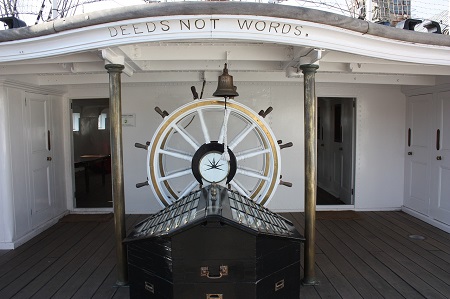
In My Wheelhouse--wheel in wheelhouse on a boatMiguel Mendez said when he was a child, he and his dad worked on cars together. When Miguel asked how he knew certain things, his dad would say, “It’s in my wheelhouse.” He was familiar and comfortable with what he did.

In my wheelhouse means something matches our skills or interests.

Miguel’s dad understood cars. Other people understand electronics, agriculture, or additional specialties.

What’s in my wheelhouse differs from yours.

We vary in our skills and interests. Many situations fall outside my ability to deal with them. I’m thankful for talented people who help when my:

  • Laptop has problems
  • Car needs service
  • Roof leaks

These and more require the aid of specialists in those areas.

However, if we study, our talents grow.

With hard work, we increase our expertise.

A wheelhouse is a pilothouse on a boat.

 A pilothouse includes the wheel, compass, and other navigation equipment.

According to Miriam Webster dictionary, a wheelhouse also means “a place or center of control or leadership.”

In addition, it refers to “the section of the strike zone where it is easiest for the [baseball] batter to hit the ball well.”

We can use our wheelhouse to help others.

 We grow as we:

  • Gain new experiences
  • Study
  • Read our Bibles
  • Tackle new challenges

When those we know need help, our gains become theirs as we share and encourage.

“A generous person will prosper; whoever refreshes others will be refreshed” (Proverbs 11:25 NIV).

Thanks to Miguel Mendez for the suggestion. Image by Michael Drummond from Pixabay.

Do you have an expression you want explained or a thought about this one? If so, please comment below.

Subscribe to receive my weekly posts by email and receive a free copy of “Words of Hope for Days that Hurt.”

If you enjoyed this post, please share it with your friends.
Dressed to the Nines

Dressed to the Nines

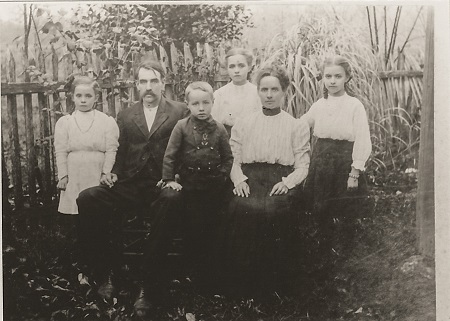
Dressed to the Nines-an old photo of couple with four children in dress clothesYears ago, on Easter and other special occasions, people dressed to the nines. They wore new or favorite old dress clothes. Women often wore hats and men wore ties. Children squirmed in their stiff fancy attire.

Many people still dress up for special days. Others skip new clothes and donate the money they save.

Dressed to the nines means to wear formal or stylish clothes.

The clothing usually:

  • Draws attention
  • Meets the latest fashions
  • Looks elegant and glamorous

The origin of this expression remains uncertain. The Free Dictionary and The Phrase Finder offer possible explanations.

Dressing up occasionally feels good.

When life overwhelms, and people need relief, an improved appearance often leads to an improved mood. Grubby clothes feel good physically, but dress clothes often feel good emotionally. Dressing to the nines helps people feel like they are on cloud nine.

Regardless of outer appearance, always dress to the nines inwardly.

The description “beautiful inside and out” directs attention to people’s inward beauty. As another expression explains, pretty is as pretty does,

“As God’s chosen people, holy and dearly loved, clothe yourselves with compassion, kindness, humility, gentleness and patience” (Colossians 3:12 NIV).

 Thanks to Becky Nash Rowe for the suggestion.

Do you have an expression you want explained or a thought about this one? If so, please comment below.

Subscribe to receive my weekly posts by email and receive a free copy of “Words of Hope for Days that Hurt.”

If you enjoyed this post, please share it with your friends.
Brush Up

Brush Up

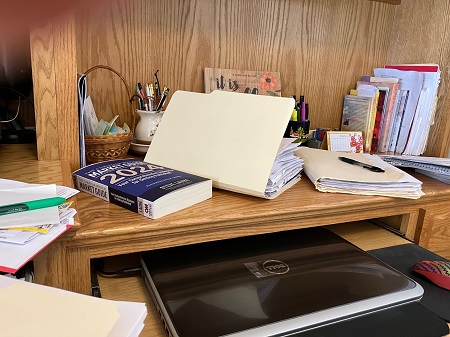
Brush Up--cluttered deskI frequently need to brush up my desk and my online skills. Both take time, but both are worth the effort. If I don’t clean my desk, the clutter becomes unmanageable. If I fail to refresh or improve my online skills, my writing suffers.

To brush up has at least three meanings.

  1. To clean with a brush.

This might include:

  • Crumbs from a table
  • Dirt off the floor
  • Dust from a porch
  1. To clean or improve something (with or without a brush).

In addition to my desk, I need to clean or update the rest of the house. I have no problem with getting the house clean as a whistle.  However, I don’t like change, so I update only when necessary.

I also need to occasionally update my:

  • Medical information
  • Résumé
  • Contacts
  1. To improve personal knowledge or abilities.

I learn new information or review what I already know. That refreshes my memory and improves my abilities as a:

  • Writer
  • Caregiver
  • Bible study leader for middle school girls
  • And other roles

What about you? Where do you have to brush up? Please comment.

“Grow in the grace and knowledge of our Lord and Savior Jesus Christ.” (2 Peter 3:18 NIV).

Thanks to Melissa Bright for the suggestion.

Subscribe to receive my weekly posts by email and receive a free copy of “Words of Hope for Days that Hurt.”

If you enjoyed this post, please share it with your friends.

Wishy-washy

Wishy-washy

Wishy-washy--A thick pot of soupOn cold winter days, our family loves thick soups and chilis. They fill and warm our bodies and delight our taste buds. No wishy-washy soups for us.

Wishy-washy means lacking strength, flavor, or other positive qualities.

It applies to both food and people.

Wishy-washy food is thin, watery, and flavorless.

Such dishes are:

They need seasonings, meat, vegetables, or pasta to add flavor and nutrition.

Wishy-washy people are also weak.

They show little strength of character. Instead, they act:

  • Indecisive
  • Incompetent
  • Lacking in character
  • In need of courage
  • Unstable

Because of those weaknesses, they inspire little confidence and make poor leaders.

Overcome weakness with boldness.

  • Stand firm and strong.
  • Show strength of character
  • Make informed and effective decisions
  • Live with honor and integrity
  • Act with courage

“Be strong and courageous, and do the work. Do not be afraid or discouraged, for the Lord God, my God, is with you. He will not fail you or forsake you” (1 Chronicles 28:20 NIV).

Thanks to Debbie Tapscott for the suggestion. Image by wildhearts from Pixabay.

Do you have an expression you want explained or a thought about this one? If so, please comment below.

Subscribe to receive my weekly posts by email and receive a free copy of “Words of Hope for Days that Hurt.”

If you enjoyed this post, please share it with your friends.
Woolgathering

Woolgathering

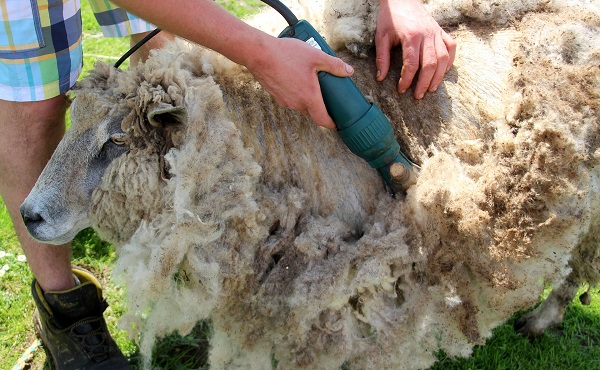
Woolgathering--Sheep being shearedI have never witnessed anyone shearing a sheep. I think it would be a hot, tiring job for both sheep and shearer. Perhaps they get through it by woolgathering, letting their thoughts roam.

Woolgathering began with a literal meaning.

According to Miriam Webster dictionary, woolgathering originally meant “gathering loose tufts of wool … caught on bushes and fences as sheep passed by.” That would have taken a long time with few results and little income. Those gathering wool probably appeared “to wander aimlessly.”

Eventually woolgathering developed a figurative meaning.

It meant minds wandering aimlessly and foolishly.

Occasional thoughts with no purpose help us relax.

We enjoy time to:

  • Sit on a porch and shoot the breeze
  • Daydream under a shade tree
  • Listen to waves lap against a beach

Too much woolgathering gets us in trouble.

We want to pay attention when we:

  • Work
  • Drive
  • Complete paperwork

A word to the wise:

Work when we need to work. Woolgather when we have time to relax.

“Foolish dreamers live in a world of illusion; wise realists plant their feet on the ground” (Proverbs 14:18 MSG).

 Thanks to Jeri Stone for the suggestion. Image by Myriams-Fotos from Pixabay.

Do you have an expression you want explained or a thought about this one? If so, please comment below.

Subscribe to receive my weekly posts by email and receive a free copy of “Words of Hope for Days that Hurt.”

If you enjoyed this post, please share it with your friends.

Put Your Best Foot Forward

Put Your Best Foot Forward

Put Your Best Foot Forward--Deer in front of honeysuckle vinesThis young deer probably never heard you should put your best foot forward. Nevertheless, she did a great job demonstrating it. She nibbled on that honeysuckle vine with speed and purpose.

I thought she would run when I stepped onto the porch. However, she kept eating except when she turned to pose. She and her mama stared at me while I stared at them.

To put your best foot forward means to work quickly and with great effort.

You determine not to get off on the wrong foot. Instead, you:

In the process, you often impress others.

When you put your best foot forward, you act with enthusiasm.

In addition to hard work, you maintain a positive attitude. Your example may also lead others to work harder and better. Your passion may become their passion.

“Acknowledge those who work hard among you, who care for you in the Lord and who admonish you” (1 Thessalonians 5:12 NIV).

Thanks to Joanne Viola for the suggestion.

Do you have an expression you want explained or a thought about this one? If so, please comment below.

Subscribe to receive my weekly posts by email and receive a free copy of “Words of Hope for Days that Hurt.”

If you enjoyed this post, please share it with your friends.
Break a Leg

Break a Leg

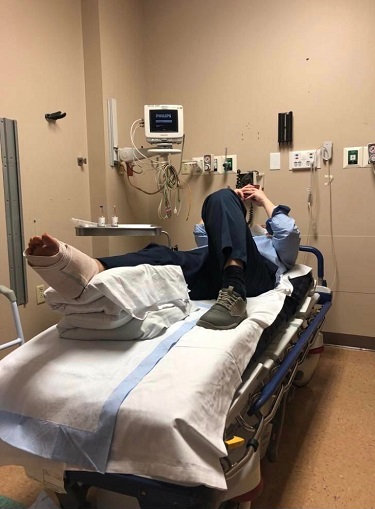
Break a Leg--man on hospital bed with foot wrapped and propped upNo one wants to break a leg or any other body part. Just ask our worship pastor. He has spent months in pain from a broken foot. His injuries have required surgeries, casts, boots, and a wheelchair. He has also endured a walker, cane, crutches, and numerous therapy sessions.

With that in mind, why do people tell others to break a leg? The expression sounds cruel.

Break a leg means to wish people good luck.

It offers encouragement, especially to performers on opening night. The speaker hopes the actors bring down the house.

Some believe wishing actors good luck causes bad luck. Therefore, they say the opposite of what they mean. The Phrase Finder offers several possible origins for this superstition.

Although they understand the idiom, some people choose not to use it.

Not everyone understands the meaning, so it could result in hurt feelings. However, others use the expression as a fun tradition. If necessary, they explain what they mean.

Prayer offers a better alternative.

Whether a person says to break a leg or not, prayer remains the greatest gift. Prayer does not rely on superstition. It also removes the need for worry. As my friend Marian Woosley often said, “Why worry when we can pray?” True for actors. True for everyone.

Have mercy on me, Lord, for I am faint; heal me, Lord, for my bones are in agony” (Psalm 6:2 NIV).

Thanks to Candyce Carden for the suggestion and to Katherine Bonds for the photo.

Do you have an expression you want explained or a thought about this one? If so, please comment below.

Subscribe to receive my weekly posts by email and receive a free copy of “Words of Hope for Days that Hurt.”

If you enjoyed this post, please share it with your friends.

Tight as Bark on a Tree

Tight as Bark on a Tree

Tight as Bark on a Tree--oak leaf on tree barkWe don’t want to overspend, and we do want to save. Yet, we rarely want to be called tight as bark on a tree.

Tight as bark on a tree means extremely careful with money.

Other descriptions include:

In areas with Blackjack oak trees, we frequently hear “as tight as bark on a blackjack.”

If we are tight spenders, we buy only when absolutely necessary.

Money never burns a hole in our pockets. Instead, we lock our pockets and throw away the key! We make do with what we have in order to save.

Although we should save, we don’t want to go overboard.

Money is a means to an end, not the end itself. We use it to meet our needs and the needs of others both now and in the future.

When tempted to remain tight as bark on a tree, let’s remember:

Definitely save for a rainy day. At the same time, spend money and all of life as God leads today.

“One gives freely, yet grows all the richer; another withholds what he should give, and only suffers want” (Proverbs 11:24 ESV).

Thanks to Billie Sue Kibbons and Lynn Kibbons Collins for the suggestion they recalled from Granny Rosa Fay Scott who lived near an area known as Black Jack, Missouri. Photo by Marta Wave on Pexels.

Do you have an expression you want explained or a thought about this one? If so, please comment below.

Subscribe to receive my weekly posts by email and receive a free copy of “Words of Hope for Days that Hurt.”

If you enjoyed this post, please share it with your friends.
Play by Ear

Play by Ear

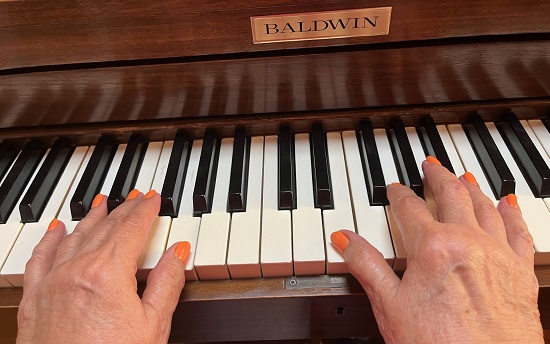
Play by Ear--hands on piano keysMy sister received most of our family’s piano ability. She plays by reading music, plus she can play by ear. If she hears a song, she eventually figures out how to play it.

To play music by ear means to play without looking at printed music.

I have a hard time playing with or without the written score.

Play by ear also means to act without specific plans or rules.

We decide what to do as we go. Rather than worry about details, we

  • Remain flexible.
  • Adapt to the circumstances.
  • Take one step at a time.
  • Deal with events as they arise.

We fly by the seat of our pants.

Some of us do well playing by ear. Others desire more organization.

We want to know:

  • What are we to do?
  • When are we to do it?
  • How do we do it?
  • Who will help us?
  • What happens every step of the way?

Whether we prefer to plan or not, we can make beautiful music with our lives.

Every day offers opportunities to:

  • Do our best.
  • Encourage one another.
  • Worship God.

“I will sing and make music to the Lord” (Psalm 27:6 NIV).

Thanks to Cindy Shoemaker for the suggestion and to Gail Gosser for the photo.

Do you have an expression you want explained or a thought about this one? If so, please comment below.

Subscribe to receive my weekly posts by email and receive a free copy of “Words of Hope for Days that Hurt.”

If you enjoyed this post, please share it with your friends.