Make a Splash
 The water from Niagara Falls makes quite a splash. Since a right smart of water runs over the falls, we get wet when we get close.
If we make a splash, we get a lot of attention.
People notice us. Niagara Falls makes a physical splash. Those falls receive much more attention than back-yard pools.
To make a splash usually means we achieve success.
- Actors or athletes receive awards.
- Businesses set new sales records.
- Artists display their work around the world.
We don’t have to make a splash to be successful.
Most of us will never receive great awards, set sales records, or receive world-wide attention. We may think we amount to nothing more than a drop in the bucket. However, if we do what God created us to do, we have achieved success.
Success for us may mean:
- Doing our job well
- Helping children stay healthy and safe
- Encouraging people around us
- Helping those in need
Each of us can make the world a better place, one small act at a time.
We may never make a splash. However, we all make a difference. Let’s make that difference the best one possible:
- Whoever we are
- Whatever we do
- Wherever we serve
- For as long as we are needed
“Each of you should use whatever gift you have received to serve others, as faithful stewards of God’s grace in its various forms” (1 Peter 4:10 NIV).
Thanks to Ann Knowles for the suggestion.
Do you have an expression you want explained? If so, please comment below.
Subscribe to receive my weekly posts by email and receive a free copy of “Words of Hope for Days that Hurt.”
If you enjoyed this post, please share it with your friends.
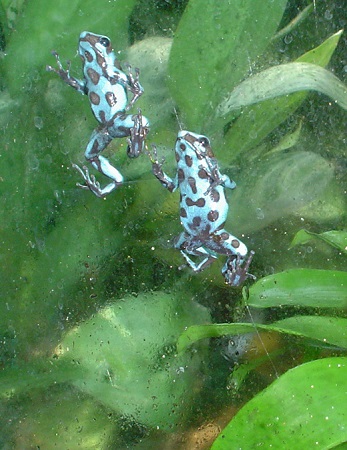 Frogs give me the heebie-jeebies. Big ugly frogs. Cute little frogs. All frogs. They jump too fast. Plus, a friend once had a frog get tangled in her hair.
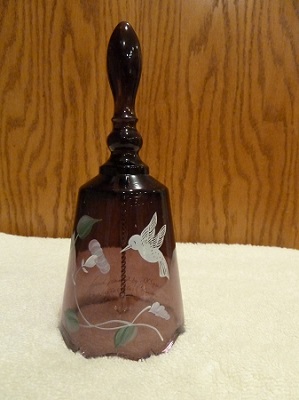 Saved by the bell means we escape a difficult situation at the last moment.
 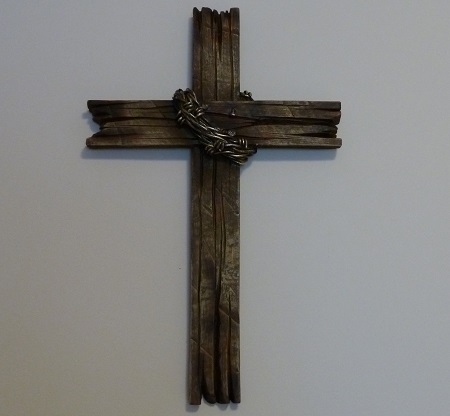 Our greatest salvation comes through Jesus’ death on a cross.
 If I want all of something, I want the whole kit and caboodle. For example, I would love to visit all the national parks. So far,
 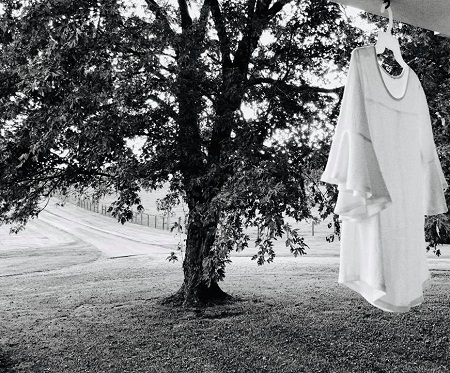 “Don’t worry about it. It will come out in the wash.” Those words have probably helped many of us deal with problems or disappointments.
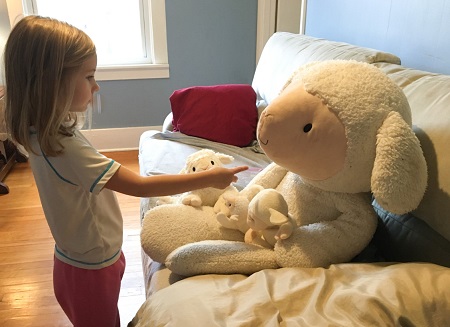 “If that is what you think, you have another think coming!” Sadie’s poor sheep are in trouble.
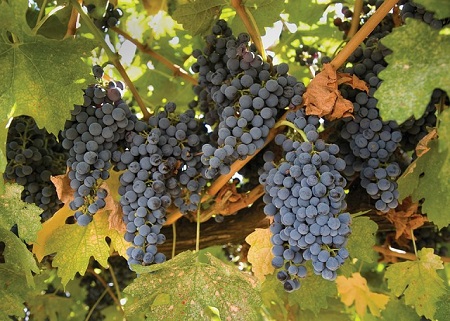 Most of us have probably had sour grapes moments. We want something but cannot get it.
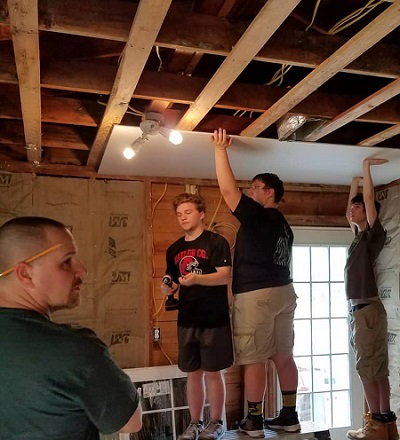 Not everyone believes in a good day’s work for a good day’s pay. Honest, hard-working people do. Others work as little as possible for their pay.
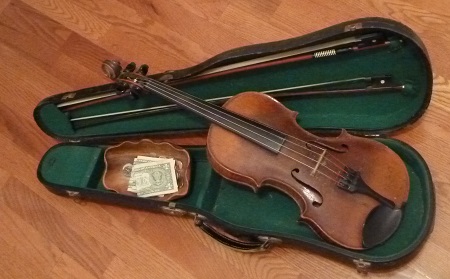 A friend’s father often said, “The one who dances has to pay the fiddler.” That makes sense. We live with the consequences of the choices we make.
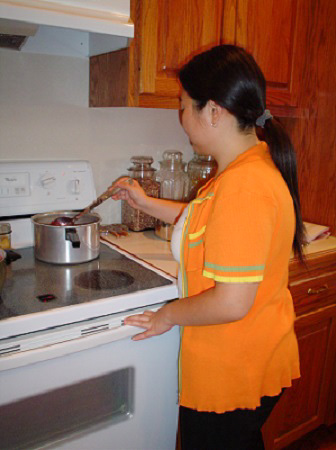 Eating jam is fun. Getting in a jam is not.
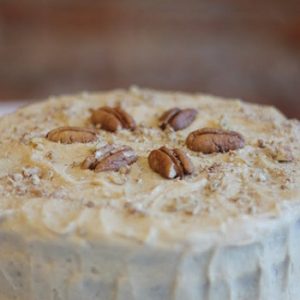 During Christmas or other holidays, we can easily get in a jam. We plan too much to do with too little time to do it. We forget to have fun.