Let It Be
 Let it be. Let it lie. Let sleeping dogs lie. All mean about the same.
To let it be means to leave a situation alone.
- Wait rather than discuss it.
- Don’t think too much about it.
- Choose not to act yet.
- Don’t dwell on the negative.
- Get away from it.
- Relax.
Let it be also relates to people.
We give people space when we let them be. We don’t bother them. They (or we) may need time, so we leave them alone for a while.
We may have to deal with the situation or person later.
However, extra time allows us to:
- Gain more understanding
- Think more clearly
- Prepare a plan
Added time also helps us avoid getting in a jam or opening a can of worms.
A few situations demand immediate attention.
We must act quickly. When that happens, let’s act wisely. We want to use our information and resources in the best possible way.
“Be still before the Lord and wait patiently for him” (Psalm 37:7 NIV).
Thanks to Laura Lee Leathers for the suggestion.
Do you have an expression you want explained or a thought about this one? If so, please comment below.
Subscribe to receive my weekly posts by email and receive a free copy of “Words of Hope for Days that Hurt.”
If you enjoyed this post, please share it with your friends.
 Do you ever meet yourself coming and going? With
  Last week we explored
 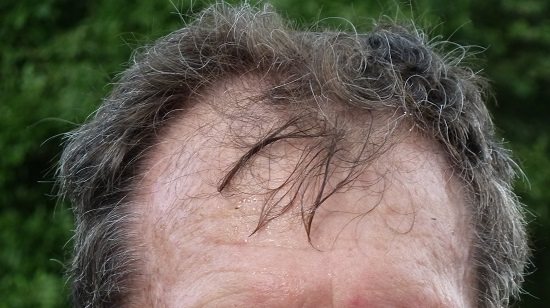 Few of us like to sweat bullets – physical or emotional.
 When we serve soup, we want no bones about it. We may cook bones in our soup, but we take them out when we eat. Swallowed bones often result in a visit to the hospital.
 Lions have a big head, a loud roar, and a reputation as king of the jungle. Although big, strong, and fast, lions can be caught and controlled by smaller, weaker, and slower lion tamers.
 Many times, Lisa Gupton told her show choir students, “Let’s get the show on the road.” She was telling them, “Get ready. It is time to perform.”
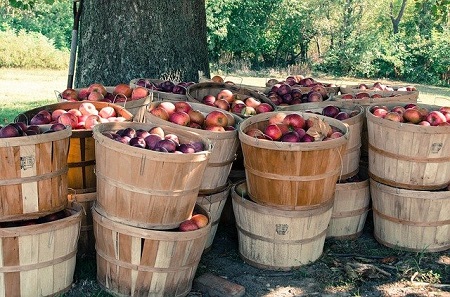 I grew up with the knowledge that my parents loved me a bushel and a peck. How did I know that? They told me many times. They also sang “
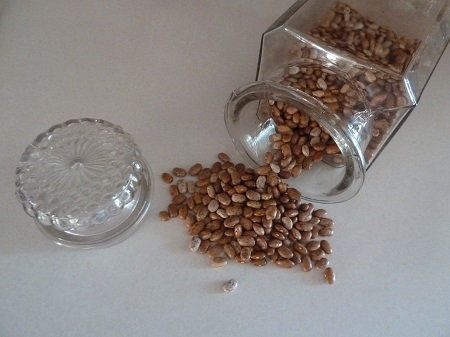 Most of us know people who cannot keep a secret. They always find a way to spill the beans.
 I recently had to bite the bullet. In one week, I made two major house repairs and replaced the brakes on my car. I was out of town when the brakes stopped working.