
Browsed by
Tag: Jesus

Don’t Steal My Joy

Don’t Steal My Joy

Don't Steal My Joy--daisies with child holding one between his toesI love to make people happy, don’t you? Occasionally someone says an action or gift is too much. My frequent response: “Don’t steal my joy.”

Don’t steal my joy tells people to allow us to do something special for them.

If they love our gifts, it fills us with joy. We delight in helping them or offering acts of kindness.

We don’t want them to say it is too much. Or that we should not do it. We want them to accept it and enjoy it as much as we enjoy sharing.

Neither should we steal anyone else’s joy.

I almost did that recently. A friend brought thoughtful gifts for my husband. They would make his life and mine much easier. When I wanted to pay for them, she responded with a smile, “Don’t steal my joy.” She had heard me say that and enjoyed the opportunity to say it back to me.

No one can steal the joy we find in Jesus.

Jesus offers us the gift of forgiveness, a future home in heaven, and joy whatever our present circumstances.

People may mistreat us. Troubles may surround us. Life may throw us for a loop, and our emotions may tumble. Nevertheless, Jesus fills us to the brim with everlasting joy. Nothing and no one can take that away.

“Rejoice in that day and leap for joy, because great is your reward in heaven” (Luke 6:23 NIV).

Thanks to Carol Edwards for the suggestion. Image by Christiane from Pixabay.

Do you have an expression you want explained or thoughts about this one? If so, please comment below.

Subscribe to receive my weekly posts by email and receive a free copy of “Words of Hope for Days that Hurt.”

If you enjoyed this post, please share it with your friends.

Look What the Cat Dragged in

Look What the Cat Dragged in

Look What the Cat Dragged in-Two cats in a yard, one with a mouse dangling from its mouthLook what the cat dragged in may refer to what a cat catches. It often refers to a person.

Look what the cat dragged in expresses surprise at someone’s appearance.

The surprise may result from the person being there. We have not seen them in a long time and don’t expect them. Or the person is part of a group but has been inactive. We often use the expression to welcome them.

Other times, the expression refers to the way a person looks. Like a mouse that receives rough treatment from a cat, the person may appear:

  • Wild
  • Dirty
  • Uncombed
  • Wrinkled

Look what the cat dragged in often includes humor.

The humor may or may not be shared by the person described.

This expression includes several variations.

  • Look what the cat’s dragged in.
  • Look what the cat’s drug in.
  • Look what the cat drug in.
  • Look what the cats drug in.

Jesus calls us to welcome one another whatever our circumstances or appearance.

Whether someone looks like a million bucks or poor as a church mouse, our call remains the same. Welcome them in Jesus’ name. Who knows when roles may reverse with the shoe on the other foot.

 “Stop judging by mere appearances.” (John 7:24 NIV).

Thanks to D J Turner for the suggestion. Image by rihaij from Pixabay.

Do you have an expression you want explained or thoughts about this one? If so, please comment below.

Subscribe to receive my weekly posts by email and receive a free copy of “Words of Hope for Days that Hurt.”

If you enjoyed this post, please share it with your friends.

Diddly-squat

Diddly-squat

Diddly-squat-open blank pages with a penSometimes, I stare at a blank page or a blank screen and write diddly-squat. Nothing. Nada. Zero. Zilch.

Diddly-squat means nothing.

Much that we value in life amounts to diddly-squat. It holds no lasting worth.

We desire and acquire:

  • Expensive homes
  • The latest styles
  • Social status

However, none of those mean anything when we get to the end of the road.

We may know diddly squat about certain information or skills.

For example, I know little or nothing about:

  • Engineering
  • Trigonometry
  • Air traffic control

Financially, we may have diddly-squat.

  • Empty bank accounts
  • Unpaid bills
  • No income

Our pockets are empty and our resources have gone down the drain.

Agreements occasionally amount to nothing.

That happens with:

  • Broken promises
  • Ignored business contracts
  • Failed relationships

Jesus offers a better way.

  • Treat others with honesty and respect.
  • Give our best.
  • Invest in the eternal.

“If one of you says to them, ‘Go in peace; keep warm and well fed,’ but does nothing about their physical needs, what good is it?” (James 2:16 NIV).

Thanks to Laura Lee Leathers for the suggestion.

Do you have an expression you want explained or thoughts about this one? If so, please comment below.

Subscribe to receive my weekly posts by email and receive a free copy of “Words of Hope for Days that Hurt.”

If you enjoyed this post, please share it with your friends.

Close but No Cigar

Close but No Cigar

Close but No Cigar--booths with Farris wheel in backgroundEvery summer of my childhood, I looked forward to a county fair. Several booths offered games with prizes. When I failed to win, the booth operator occasionally said, “Close but no cigar.”

Close but no cigar means almost, but not quite, successful.

That happens when we:

  • Barely miss the bull’s eye on a target
  • Almost win a contest
  • Make a close but incorrect answer

Years ago, cigars were a frequent prize.

The Free Dictionary says, “This expression comes from the old US custom of giving a cigar as a prize in fairground games of skill.”

Close but no cigar can encourage or discourage.

Some of us try again and try harder. Others give up in defeat.

Keep working toward worthwhile goals.

Don’t worry about what matters little. Trinkets from fairs rarely last. Focus on goals with eternal value.

Everyone falls short of perfection.

We miss the mark in life. For that reason, Jesus, the only perfect one, came to pay the price for our imperfections. Jesus offers life’s greatest prize, forgiveness for our sins and eternal life with Him.

“All have sinned and fall short of the glory of God. The wages of sin is death, but the gift of God is eternal life in Christ Jesus our Lord.” (Romans 3:23; 6:23 NIV).

Thanks to Ann Klotz, Lindy Pierce, and Becky Nash Rowe for the suggestion. Image by Jill Wellington from Pixabay.

Do you have an expression you want explained or thoughts about this one? If so, please comment below.

Subscribe to receive my weekly posts by email and receive a free copy of “Words of Hope for Days that Hurt.”

If you enjoyed this post, please share it with your friends.

Freedom Isn’t Free

Freedom Isn’t Free

Freedom Isn't Free--American flags with a cross in the backgroundOn Memorial Day, we remember that freedom isn’t free. Many paid a great price for us to enjoy our parades, cookouts, and fireworks.

Freedom isn’t free gives thanks for those who make freedom possible.

Men and women who serve in the military often risk their lives. May we never forget those who:

  • Remain missing in action
  • Live and bear the scars of their service
  • Give their lives to defend ours — those gone but not forgotten

The Korean War Veterans Memorial in Washington, D.C. includes the engravement “Freedom Is Not Free.”

The memorial with that engraving honors and respects soldiers of one war. Yet its truth relates to all our heroes.

This idiom applies spiritually as well.

When Jesus died on the cross, He gave the ultimate price. He sacrificed his life to offer us eternal life. When He arose on the third day, He conquered sin and death. We share that victory when we follow Jesus as Savior and Lord.

Enjoy the holiday. Remember the reason.

Have fun with family and friends. Be sure to also give thanks for those who make that time possible. Above all, accept and give thanks for the greater freedom we find in Jesus.

“So if the Son sets you free, you will be free indeed” (John 8:36 NIV).

Thanks to Beckham Wilson for the suggestion. Image by Em Sawyers from Pixabay.

The Apple Does Not Fall Far from the Tree

The Apple Does Not Fall Far from the Tree

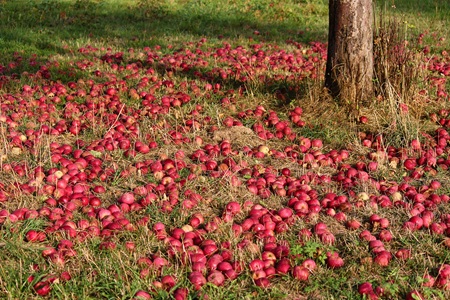
The Apple Does Not Fall Far from the Tree--red apples on ground around a tree trunkThe apple does not fall far from the tree in orchards. The same is often true for children.

When children act like their parents, we might say the apple does not fall far from the tree.

We all learn from the people closest to us.

  • Parents
  • Guardians
  • Other relatives

They teach us how to:

  • Walk
  • Talk
  • Live

One of the scariest statements a child can make is, “When I grow up, I want to be just like you.” That should make us pay attention to our words, actions, and attitudes.

The apple does not fall from the tree does not always apply.

Children do not always look or act like their parents. Sometimes that is the children’s choice. They may:

  • Rebel against positive examples.
  • Rise above negative examples.

We cannot change our biological roots. We can change our behavior.

May we all learn and live well.

No one, including the best parent, is perfect. Therefore, we want to follow the one and only perfect example we find in Jesus.

When we root ourselves in Jesus’ love, we gain the best life now plus an eternity with Him in heaven. We also bear fruit by sharing Jesus’ love with the rest of the world.

“This is to my Father’s glory, that you bear much fruit, showing yourselves to be my disciples” (John 15:8 NIV).

Thanks to Thad Reames for the suggestion. Image by Manfred Richter from Pixabay.

Do you have an expression you want explained or thoughts about this one? If so, please comment below.

Subscribe to receive my weekly posts by email and receive a free copy of “Words of Hope for Days that Hurt.”

If you enjoyed this post, please share it with your friends.

Whistle Past the Graveyard

Whistle Past the Graveyard

Whistle Past the Graveyard-graves at Arlington National CemeteryI grew up near a graveyard. Later, my husband and I built a house across the road from one. We laughed and said we would have quiet neighbors. However, some people fear living so close to graves. They feel the need to whistle past the graveyard.

When we whistle past the graveyard, we hide our fear by acting calm.

We may be afraid of our own shadow. However, we don’t want anyone to know.

Whistling past the graveyard happens often.

In addition to passing a cemetery, we fear:

  • Public speaking
  • Competition for a championship
  • Any embarrassing situation

To whistle past the graveyard may increase courage.

Acting with courage often makes us more courageous. We survive what we fear, so the next time becomes easier.

The Bible tells us we have no need to fear death.

Followers of Jesus know that death and the grave are not the end. When Jesus arose from the grave, He conquered sin and death. We can share that same victory and look forward to an eternal home in heaven.

“Do not be amazed at this, for a time is coming when all who are in their graves will hear his voice” (John 5:28 NIV).

Thanks to Bobbie Smith Bryant and Martha Orlando for the suggestion. Image by Carol Colman from Pixabay

Do you have an expression you want explained or thoughts about this one? If so, please comment below.

Subscribe to receive my weekly posts by email and receive a free copy of “Words of Hope for Days that Hurt.”

If you enjoyed this post, please share it with your friends.
Bigger Fish to Fry

Bigger Fish to Fry

Bigger Fish to Fry-red plate filled with fried fish and lemon slicesDo you prefer small fish piping hot from the grill or oven? Or do you enjoy bigger fish to fry?

For non-food decisions, go for bigger fish to fry.

Bigger fish to fry means more important matters to manage.

You deal with:

  • Major activities rather than minor
  • Emergencies rather than routine
  • Long lasting rather than brief

Bigger fish to fry does not mean never having fun.

Meaningful moments include:

  • Relaxing
  • Resting
  • Focusing on relationships

Personal accomplishments do not equal success.

  • Quality time with family is more important than awards.
  • Helping people in need matters more than promotions.
  • Investing in lives outlasts investing in stocks.

How you spend your time and money reveals what you value most.

  • Will it make a difference?
  • Does it have eternal worth?

Be sure bigger fish to fry are worth the effort.

Focusing only on self often leads to fishy situations. Focusing on God’s will and helping others keeps you on the right track. Jesus said to follow Him and become fishers of people. All people. Everywhere.

“Don’t be afraid; from now on you will fish for people” (Luke 5:10 NIV).

Thanks to Lindy Pierce for the suggestion and to Terry Pennington, owner of Creekside Restaurant, for the photo.

Do you have an expression you want explained or thoughts about this one? If so, please comment below.

Subscribe to receive my weekly posts by email and receive a free copy of “Words of Hope for Days that Hurt.”

If you enjoyed this post, please share it with your friends.

Throw Your Hat into the Ring

Throw Your Hat into the Ring

Throw Your Hat into the Ring--two people throwing their hats into the air with the sun setting behind themDo you often throw your hat into the ring? Maybe for a group activity, fun event, or political office? You decide to give it a whirl.

If you throw your hat into the ring, you announce your decision to join or compete.

You may:

  • Enter a contest.
  • Make or accept a challenge.
  • Participate in a special event.
  • Start a new step in life.

Throw your hat into the ring began with boxing.

According to The Phrase Finder, “The expression dates from at least the early 19th century.” Boxing rings were “circular spaces in a crowd of onlookers.” No “square roped ‘rings’” like today. If someone wanted to compete, he threw his hat into the ring. That was easier than shouting above the noisy crowd.

Be careful before you throw your hat into the ring.

Many activities prove worthwhile. Others you want to avoid at all costs.

When Jesus calls, always follow.

The cost may be great, but the reward will be greater. Many believers endure persecution such as:

  • Ridicule
  • Job loss
  • Rejection from friends and family
  • Imprisonment
  • Death

Nevertheless, they throw their hat into the ring with Jesus. They prefer to suffer rather than deny their Savior.

“Join with me in suffering, like a good soldier of Christ Jesus.” (2 Timothy 2:3 NIV).

 Thanks to Lam DeBrot for the suggestion. Photo by Nabil Naidu with Pexels.

Do you have an expression you want explained or thoughts about this one? If so, please comment below.

Subscribe to receive my weekly posts by email and receive a free copy of “Words of Hope for Days that Hurt.”

If you enjoyed this post, please share it with your friends.

Onward and Upward

Onward and Upward

Onward and Upward--Old Faithful geyserOur family loves to visit Yellowstone National Park. We always watch the Old Faithful geyser erupt. Several times a day, Old Faithful moves onward and upward.

This wonder of nature reminds us of the importance of our own faithfulness.

Onward and upward means to keep moving forward.

We work toward:

  • Improvement
  • Progress
  • Success

Onward and upward often means steady rather than sudden growth.

Old Faithful begins with a sputter but then grows higher and higher. We don’t have to start fast either. However, we do want to keep going and growing.

Onward and upward encourages us not to give up.

We all face difficulties and disappointments. Yet, we advance one step at a time. Failure teaches us what does not work. To reach our goals, we keep on keeping on.

This challenge applies to every age and circumstance.

  • Youth graduating from school
  • Adults seeking the right job
  • Retirees beginning a new stage in life

As long as we live, we have meaning and purpose. May we always seek to find and fulfill them to the best of our abilities.

Our greatest advancement occurs when we step from this life into the next.

If we follow Jesus’ plan for our lives, we find the best now and through eternity. Let’s keep moving onward and upward.

“In keeping with his promise we are looking forward to a new heaven and a new earth, where righteousness dwells” (2 Peter 3:13 NIV).

Thanks to Joy S. Taylor for the suggestion.