Browsed by
Tag: choices

It Don’t Make Me No Never Mind

It Don’t Make Me No Never Mind

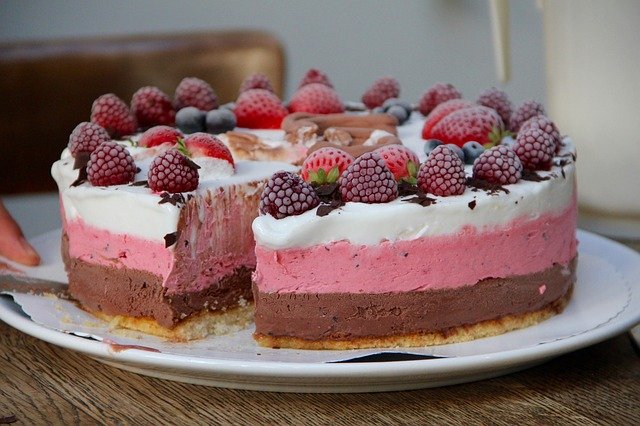
It Don't Make Me No Never Mind-Neapolitan ice cream cake with berries on top “Do you prefer ice cream, cake, or both?” “I’m leaving now. Is that okay?” “Mind if I change the station on TV?”  For all these questions, we might answer, “It don’t make me no never mind.” Of course, we don’t give that answer if we prefer correct grammar.

Other ways to say “It don’t make me no never mind” include:

  • It does not matter to me.
  • I don’t care.
  • It does not bother me.
  • Makes no difference to me.

It don’t make me no never mind means either choice is okay.

We have no strong feelings about a decision. It is six of one and half a dozen of another.

Many choices in life don’t matter.

If they don’t matter, we usually don’t care. Although many probably disagree, the following matter little:

  • House size
  • Car model
  • Clothing style

What difference will those make years from now?

Other choices matter a great deal.

How we choose could mean the difference in life or death. We never want to:

  • Abuse another person
  • Lie, cheat, or steal
  • Neglect someone in need

The results could last for generations. Not everyone will like our actions. However, right choices mean we must occasionally make waves.

May we always choose well when our choices matter most.

“Be careful to do what the Lord your God has commanded you; do not turn aside to the right or to the left” (Deuteronomy 5:32).

I don’t know its origin, but I think of this as a southern expression. Have you heard it used other places?

Thanks to Timothy Lewis for the suggestion. Image by Bernhard Mülhens from Pixabay.

Subscribe to receive my weekly posts by email and receive a free copy of “Words of Hope for Days that Hurt.”

If you enjoyed this post, please share it with your friends.
Bite the Hand That Feeds You

Bite the Hand That Feeds You

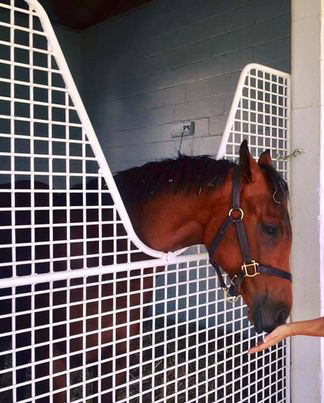
Bite the Hand That Feeds You-horse eating out of a handIt makes no sense to bite the hand that feeds you. Some animals who eat out of a person’s hand do. So do many people.
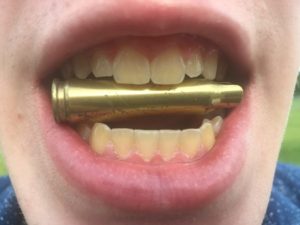
To bite the hand that feeds you means to hurt someone who helps you.

Rather than thank a kind person, you act cruel or rude.

Examples include:

  • Children who mistreat parents who provide for them.
  • Students who make fun of the person who helps them with homework.
  • Employees who gossip about their boss.
  • People who borrow money but never repay it or act ungrateful for it.

Eventually people pay for how they act.

Many receive a taste of their own medicine. Ungrateful children often have children who treat them the same way. They learn from what they see.

Results of biting the hand that feeds you may not be immediate. Usually, however, what goes around comes around.

Why not lend a helping hand?

Instead of hurting others, help them, no strings attached.  Help those who help you, but don’t stop there.

  • Aid others in need.
  • Show kindness to everyone.
  • Learn to love the unlovable. (Remember, we are all unlovable at times.)

“You make me glad by your deeds, Lord; I sing for joy at what your hands have done” (Psalm 92:4 NIV).

Thanks to Brad Leverett for the suggestion and to Jeri Stone for the photo.

Do you have an expression you want explained? If so, please comment below.

Subscribe to receive my weekly posts by email and receive a free copy of “Words of Hope for Days that Hurt.”

If you enjoyed this post, please share it with your friends.

Two Peas in a Pod

Two Peas in a Pod

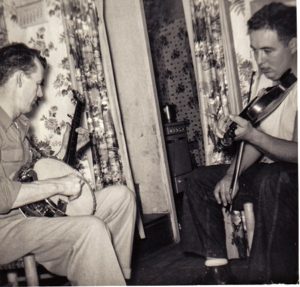
Two Peas in a Pod--two men playing banjo and fiddleMy dad and Uncle Millard differed in many ways. However, they were like two peas in a pod in their love for music.
Dad and Uncle Millard did not want to play music professionally. Instead, they played for the joy of playing. They often gathered with other musicians in our kitchen on Friday or Saturday nights for a time of “picking and grinning.”

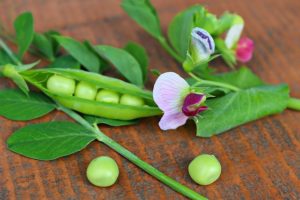
Two peas in a pod means two items or people are as much alike as two peas in the same pod.

Two Peas in a Pod--peas in and out of a pod with flowersIn addition to shared interests, like Dad and Uncle Millard, two peas in a pod may:
  • Look alike (identical twins, who are the spitting image of one another)
  • Have similar beliefs (people who attend the same church)
  • Act the same (shy people)
  • Share all the above

The similarities of two peas in a pod may change with time.

Several people grow more alike. Others become quite different.

People have no choice with some similarities.

They cannot choose:

  • Birth family
  • Health at birth
  • Many life circumstances

However, they can choose:

  • Friends
  • Education
  • Activities
  • Health care

Those who make poor choices must face the music. Others wisely follow in the footsteps of those who lead them well.

“The righteous choose their friends carefully, but the way of the wicked leads them astray” (Proverbs 12:26 NIV).

Thanks to Joyce Cordell for the suggestion. Second photo courtesy of Pixabay.

Do you have an expression you want explained? If so, please comment below.

Subscribe to receive my weekly posts by email and receive a free copy of “Words of Hope for Days that Hurt.”

If you enjoyed this post, please share it with your friends.

Pay the Fiddler

Pay the Fiddler

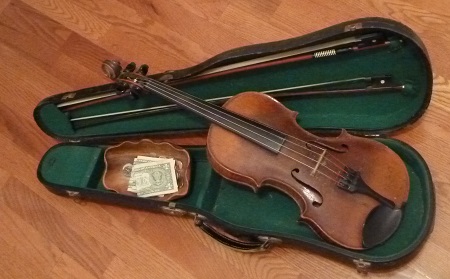
Pay the Fiddler--fiddle in case with a money containerA friend’s father often said, “The one who dances has to pay the fiddler.” That makes sense. We live with the consequences of the choices we make.

To pay the fiddler means we suffer the results of what we say or do.

To pay the piper means the same. We use these expressions most often to describe the results of bad behavior. If we get in trouble, we get punished. Our choices force us to face the music.

The same truth applies to gardening: We reap what we sow.

  • Follow the wrong crowd — get in trouble.
  • Cheat on tests — fail to learn.
  • Hurt other people — lose their trust.

When we choose the right words and actions, we enjoy better results.

  • Follow the right examples — learn the best way to live.
  • Work as we should — grow in knowledge and abilities.
  • Treat others well — build trust in relationships.

Choose well to live well.

As another year begins, may we always choose the best. Happy New Year!

“Be sure your sin will find you out” (Numbers 32:23 KJV).

Thanks to Patty Cooper Emerson for the suggestion.

Do you have an expression you want explained? If so, please comment below.

Subscribe to receive my weekly posts by email and receive a free copy of “Words of Hope for Days that Hurt.”

If you enjoyed this post, please share it with your friends.

Out of the Woods

Out of the Woods

Out of the Woods--path through treesA few years ago, my husband was in the hospital, not expected to live. The next day a doctor said he was much better but not out of the woods yet. He meant my husband still had to fight for his life.
Out of the woods means safe and secure.

A person no longer faces immediate danger.

  • The worst trouble has passed.
  • Known and unknown threats are over.
  • The greatest danger is gone.
  • Circumstances are no longer critical,

Like exiting a dangerous forest, a person out of the woods feels relief.

The escape frees the person to:

  • Relax
  • Enjoy better circumstances
  • Give thanks for improvement

In addition to health issues, out of the woods applies to:

  • Finances
  • Relationships
  • Work

Whether in the woods or out, everyone chooses how to react.

Life gets hard. People get hurt. When that happens, they decide whether to:

Why not make the best of a bad situation? This life will soon pass. Let go and let God make the most of it.

My husband did make it out of the woods and left the hospital a few days later.

“Even the trees of the woods—the fir trees and cedars of Lebanon—sing out this joyous song: ‘Your power is broken; no one will bother us now; at last we have peace’” (Isaiah 14:8 TLB).

Thanks to Ann Knowles for the suggestion.

Do you have an expression you want explained? If so, please comment below.

Subscribe to receive my weekly posts by email and receive a free copy of “Words of Hope for Days that Hurt.”

If you enjoyed this post, please share it with your friends.

You Made Your Bed, You Must Lie in It

You Made Your Bed, You Must Lie in It

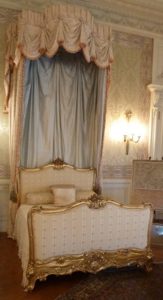
You Made Your Bed--bed in The Elms (R. I.)You made your bed, you must lie in it has nothing to do with making a bed. The expression focuses on behavior.
You have to live with the results of what you do.

  • Good choices bring good results.
  • Bad choices bring bad results.

If you cause problems, expect problems in your life. If you share joy, expect joy in return.

 Of course, exceptions to the rule occur. However, you usually experience the natural or logical effects of your actions. You did it, so you must live with it.

Several expressions have the same meaning.

Whether you talk about beds, gardens, music, or chickens, the message remains the same. For the best life, make the best choices.

“When you see trouble coming, don’t be stupid and walk right into it— be smart and hide” (Proverbs 22:3 CEV).

Thanks to Bonnie Alley for the suggestion.

Do you have an expression you want explained or a thought about this one? If so, please comment below.

Subscribe to receive my weekly posts by email and receive a free copy of “Words of Hope for Days that Hurt.”

If you enjoyed this post, please share it with your friends.

Chickens Come Home to Roost

Chickens Come Home to Roost

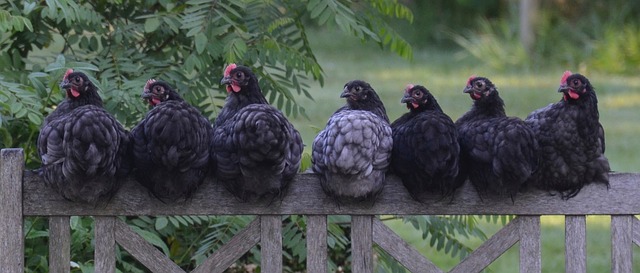
Chickens Come Home to Roost--chickens on a fenceChickens come home to roost.

  • Birds usually return to their nests at night.
  • The results of our past actions return to us.

Bad behavior in the past may causes problems in the present or future.

We may get away with bad choices for a while. However, we often suffer for them later. We land in hot water. That is true for what we do and what we say.

We live with the consequences of the choices we make.

 Mistakes or wrong choices hurt us and others. We reap what we sow.

  • Fail to study: fail a test.
  • Hurt other people; expect to get hurt.
  • Ignore physical needs; suffer physical pains.

Therefore, we do well to always make right choices.

Be careful what we say and do. What goes around comes around. We don’t want our words and actions coming back to haunt us.

If we follow the straight and narrow, we have no need to worry.

“Turn from evil and do good; seek peace and pursue it” (Psalm 34:14 NIV).

Thanks to Steve and LuAnne Russell for the suggestion. Photo courtesy of Pixabay.

Do you have an expression you want explained or a thought about this one? If so, please comment below.

Subscribe to receive my weekly posts by email and receive a free copy of “Words of Hope for Days that Hurt.”

If you enjoyed this post, please share it with your friends.

Take It to the Bank

Take It to the Bank

Take It to the Bank -- bank vaultIf someone pays us by check, we take it to the bank. The check promises money.
Of course, not all checks are good. In those cases, we lose the money listed on the checks.

When we say we can take it to the bank, we mean something is good.

  • We can depend on it.
  • The person who wrote the check has the money listed.
  • A person always speaks the truth. He is as good as his word.

We cannot take everything to the bank.

Like bad checks, not everyone speaks or acts in truth. When that happens, we lose trust. The person’s bad choices hurt us.

We all make bad choices. However, we can receive forgiveness.

Easter celebrates Jesus coming to earth to pay the price for our sins our bad choices.

  • Jesus’ words and actions taught us how to live.
  • He died on the cross for our sins.
  • Before and as He died, Jesus prayed for us.
  • He arose from the grave on the third day.
  • Jesus’ victory over sin and death becomes ours free and clear, if we place our faith in Him.

Friends, we can take Jesus’ promises to the bank.

“This is eternal life, that they know you, the only true God, and Jesus Christ whom you have sent” (John 17:3 ESV).

Thanks to Kristy Robinson Horine for the suggestion and to Citizens Bank for the photo opportunity.

Do you have an expression you want explained? If so, please comment below.

Subscribe to receive my weekly posts by email and receive a free copy of “Words of Hope for Days that Hurt.”

If you enjoyed this post, please share it with your friends.

Sharp as a Razor

Sharp as a Razor

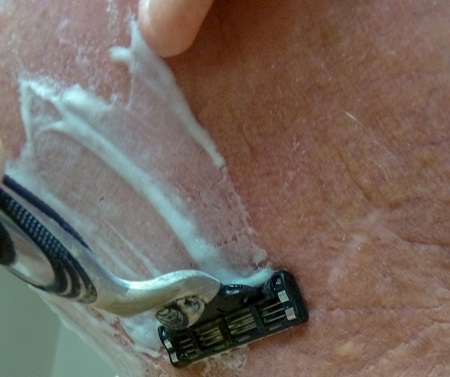
Sharp as a razor means very sharp.

Razors work best when sharp. However, people must shave carefully. If not, they cut skin as well as hair.

Axes and kitchen knives should also be sharp. Like the person shaving, wood cutters and cooks must cut carefully or suffer the results.

Easy does it makes sense around sharp objects. Better safe than sorry.

People sharp as a razor are very smart.

 This expression means the same as sharp as a tack. Sharp people:

  • Learn easily
  • Remember well

Smart people choose whether to use their knowledge.

Some smart people apply their knowledge. Others waste their skills.

  • Sharp razors do no good if never used.
  • Sharp people do no good if they never use what they know.

People sharp as a razor use their knowledge for good or evil.

Like sharp razors, axes, or knives, sharp people either help or harm. They do well to stay sharp. They do better to put their sharpness to good use.

“A dull ax requires great strength; be wise and sharpen the blade” (Ecclesiastes 10:10 TLB).

Thanks to Bob Emerson for the suggestion.

Do you have an expression you want explained or a thought about this one? If so, please comment below.

Subscribe to receive my weekly posts by email and receive a free copy of “Words of Hope for Days that Hurt.”

If you enjoyed this post, please share it with your friends.

Slim Pickings

Slim Pickings

Slim Pickings--empty store shelvesMany stores open early and close late on sale days. Early shoppers find several choices. Those who shop later in the day find slim pickings.

Slim pickings mean few choices.

Not much is left after others take what they want. This applies to more than shopping. We often find slim pickings:

  • At the end of a food line
  • Near the end of a gardening season

Slim pickings for one person look like treasures for others.

  • A small amount of food can save a starving person.
  • One coat warms a person in freezing weather.

What treasures can we offer others who survive on slim pickings?

Perhaps a good New Year’s resolution would be to share from our wealth.

  • Buy extra at the grocery to feed the hungry.
  • Give away some of our clothes and shoes.
  • Spend less on self and donate the money saved.

Why not make giving a lifestyle? We can’t take it with us when we die. Why not put it to good use while we live. Let’s give of our wealth. Let’s give of ourselves.

“The generous will themselves be blessed, for they share their food with the poor” (Proverbs 22:9 NIV).

Thanks to Ruby Colvin for the suggestion.

Do you have an expression you want explained or a thought about this one? If so, please comment below.

Subscribe to receive my weekly posts by email and receive a free copy of “Words of Hope for Days that Hurt.”

If you enjoyed this post, please share it with your friends.