
Browsed by
Tag: relationships

Blow Your Top

Blow Your Top

Blow Your Top--an erupting volcano Recently, I told a relative about a fake friend request. She hates for people to misuse her pictures and information. As a result, she suggested a post on blow your top.

To blow your top means to become very angry.

Similar expressions include:

All mean you lose your temper.

When you blow your top, you lose control.

Your emotions erupt like an active volcano. During that explosion, anyone nearby risks danger. This often happens quickly and without warning.

Possible behavior includes:

  • Shouting
  • Destroying property
  • Hurting other people
  • Hurting yourself

Such behavior can become a way of life.

You have to be careful not to cut off your nose to spite your face. If anger takes control, everyone loses, including you.

When appropriate, anger can help right a wrong.

You want to manage anger wisely. Use it for good when necessary. If it becomes harmful, nip it in the bud before it gets out of control.

“Better a patient person than a warrior, one with self-control than one who takes a city” (Proverbs 16:32 NIV).

Thanks to Rebecca Stafford for the suggestion. Image by Enrique from Pixabay.

Do you have an expression you want explained or a thought about this one? If so, please comment below.

Subscribe to receive my weekly posts by email and receive a free copy of “Words of Hope for Days that Hurt.”

If you enjoyed this post, please share it with your friends.

Many Hands Make Light Work

Many Hands Make Light Work

Many Hands Make Light Work-Children's hands stacked on top of one anotherDo you have little helpers who remind you that many hands make light work? Maybe your children or grandchildren? Perhaps a neighbor or friend?

Many of my favorite experiences involve children who helped me. Their help may have meant extra time or a bigger mess. Yet, what fun. They learned to work together and to help one another.

Many hands make light work means the more who work together, the easier and faster the work.

 Work may be on:

Many hands may not make the work easy as pie. It will make the work easier.

Many hands make light work applies to all areas of life.

  • Jobs
  • Family
  • Friends
  • Community
  • Church
  • Volunteer work

Take advantage of opportunities to lend a helping hand.

Supporting one another makes life better for everyone – the one who receives help plus the one who helps.

“May the favor of the Lord our God rest on us; establish the work of our hands for us—yes, establish the work of our hands” (Psalm 90:17 NIV).

Thanks to Tracy Crump for the suggestion and to Karen Atwood for the photo.

Do you have an expression you want explained or a thought about this one? If so, please comment below.

Subscribe to receive my weekly posts by email and receive a free copy of “Words of Hope for Days that Hurt.”

If you enjoyed this post, please share it with your friends.
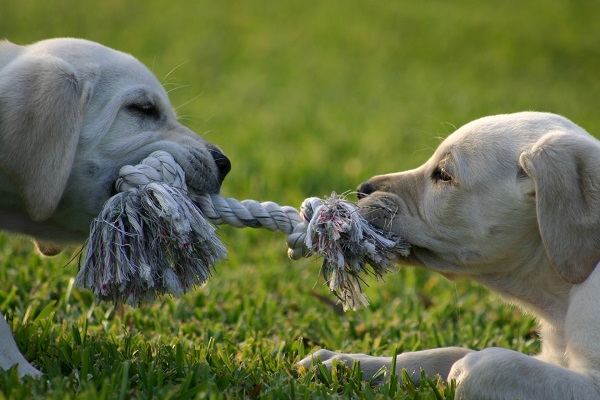
Rub Elbows

Rub Elbows

Rub Elbows-three girls' elbows touchingBecause of the Covid-19 pandemic, we rarely shake hands anymore. Instead, we bump fists or elbows. We have had few opportunities to rub elbows.

To rub elbows means to interact with another person or persons.

Our elbows rarely touch, but we make social contact. We are close enough we could touch elbows. Contacts may be one-on-one or with a group.

Such contacts do not usually require hard physical work or elbow grease. Instead, we socialize.

We rub elbows in both work and non-work settings.

If we want a better job, we try to rub elbows with our bosses. We hope to impress them with our abilities and our willingness to work hard.

If we want to join a social group, we try to rub elbows with people in that group. We hope to convince them we would make a good member.

In all our interactions with one another, we want to present ourselves well.

Rather than get off on the wrong foot,

  • Work well.
  • Treat others well.
  • Live well for the one who created us – elbows, feet, and all.

 “In your relationships with one another, have the same mindset as Christ Jesus” (Philippians 2:5 NIV).

 Thanks to Lindy Pierce for the suggestion.

Do you have an expression you want explained or a thought about this one? If so, please comment below.

Subscribe to receive my weekly posts by email and receive a free copy of “Words of Hope for Days that Hurt.”

If you enjoyed this post, please share it with your friends.

This Here

This Here

This Here--small frog inside a flower looking in a windowThis here frog stared at me from outside our kitchen window. I stared back in amazement. He was so tiny, and he stayed in that same spot for hours. He appeared out of the blue around the same time and place the year before.

I don’t know where he stays between his yearly visits. He does not know I used to be terrified of frogs. They gave me the heebie-jeebies. Yet, his visits brighten my days.

“This here” points out someone or something.

It is an informal way to say “this” and refers to a specific person or object.

Other examples of its use include:

  • We are going fishing on this here boat.
  • I want to buy this here phone.
  • My family loves this here farm.

I usually hear this expression spoken in casual country conversations.

However, I have not heard it for a long time.

Whether I say “this” or “this here” matters less than the rest of my words.

Are they true and kind? Do they honor God? Like my frog friend, do they brighten someone’s day.

“The Lord detests the thoughts of the wicked, but gracious words are pure in his sight” (Proverbs 15:26 NIV).

Thanks to Catherine Nicholson for the suggestion.

Do you have an expression you want explained or a thought about this one? If so, please comment below.

Subscribe to receive my weekly posts by email and receive a free copy of “Words of Hope for Days that Hurt.”

If you enjoyed this post, please share it with your friends.
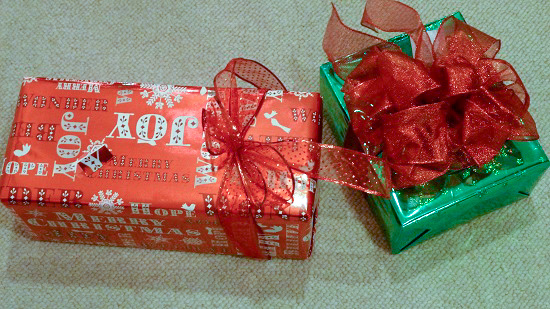
If You Lie Down with Dogs, You Will Get Up with Fleas

If You Lie Down with Dogs, You Will Get Up with Fleas

If You Lie Down with Dogs, You Will Get Fleas--two dogs on a bedIf you lie down with dogs, you will get up with fleas was a greater certainty before flea collars and other medications for dogs became common.

However, dogs still get fleas. When dogs get them, people who come in contact with the dogs also get fleas. Not a pleasant thought but a realistic one.

If you lie down with dogs, you will get up with fleas applies to more than dogs and fleas.

This proverb means you tend to become like the people around you.

  • Choose dishonest friends, and threaten your honesty.
  • Hang out with criminals, and chance arrest for crimes.
  • Spend time with drug users, and risk drug use yourself.
  • If you play with fire you get burned.

Like disease, behavior can be contagious.

Therefore, you do well to choose friends wisely, those who are on the up and up. Definitely treat everyone well. Show respect to all, regardless of their background. At the same time, choose close friends who will influence you for good, not evil.

Do not be misled: “Bad company corrupts good character.” (1 Corinthians 15:33)

Thanks to Emily Akin for the suggestion and to Tammy Cheatham Page for the photo.

Do you have an expression you want explained or a thought about this one? If so, please comment below.

Subscribe to receive my weekly posts by email and receive a free copy of “Words of Hope for Days that Hurt.”

If you enjoyed this post, please share it with your friends.
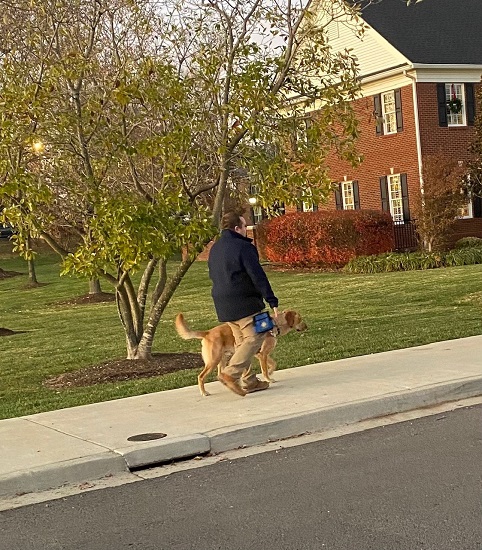
Alive and Kicking

Alive and Kicking

Alive and Kicking--Girl kicking on a sunset beachFew of us can kick as high as Stella. Yet, we can move at our own pace. We are alive and kicking.

I recently talked with a friend I had not seen in several years. When I asked how she was, she said, “I’m still kicking.” Like most people, she had experienced ups and downs. Some days she kicks higher than others.

Alive and kicking means alive and well.

As my father loved to say, we are “full of vim, vigor, and vitality.” We have:

  • Energy
  • Enthusiasm
  • Health

We are:

  • Strong
  • Alert
  • Active

We still exist, so we still have purpose.

Alive and kicking does not mean a perfect life.

We all deal with less than perfect experiences. That’s life. We may suffer:

  • Health crises
  • Financial woes
  • Relationship problems
  • Daily challenges

Yet, we don’t give up. Rather, we rise and shine. We give thanks for each day and determine to make the most of the resources and abilities we possess.

We kick as high as we can.

“I will praise you as long as I live, and in your name I will lift up my hands” (Psalm 63:4 NIV).

Thanks to Virginia Harris Sturgeon for the suggestion and to Rhonda Wade Royster for the photo.

Do you have an expression you want explained or a thought about this one? If so, please comment below.

Subscribe to receive my weekly posts by email and receive a free copy of “Words of Hope for Days that Hurt.”

If you enjoyed this post, please share it with your friends.

Water Down

Water Down

Water Down--waterfallWhatever lies below a waterfall gets watered down quickly. The water:

  • Covers it
  • Weakens it
  • Overwhelms it

If we hike to the bottom of the waterfall, its power grabs our attention. We rarely notice other sights and sounds.

To water down means to cover or weaken something.

Surfaces we may cover with water include:

  • Yards with new grass seed
  • Clothes ready to wash
  • Houses and buildings in danger from nearby fires

We add water to weaken or dilute:

  • Soups
  • Juices or other drinks
  • Sauces

We also water down or weaken:

  • Stock values
  • Agreements
  • Laws
  • Truth

All lose worth and become less effective when we omit important information.

If we water down the truth, everyone loses.

We may not want to share hard truth. However, we need to know reality, even if we don’t like it or it hurts. Plus, people no longer trust us if we tell less than the truth. Better to stay on the up and up.

If we have not told the truth, remember confession is good for the soul. It’s never too late to turn over a new leaf.

“An honest witness does not deceive, but a false witness pours out lies” Proverbs 14:5 NIV).

Thanks to Phyllis Patton for the suggestion.

Do you have an expression you want explained or a thought about this one? If so, please comment below.

Subscribe to receive my weekly posts by email and receive a free copy of “Words of Hope for Days that Hurt.”

If you enjoyed this post, please share it with your friends.
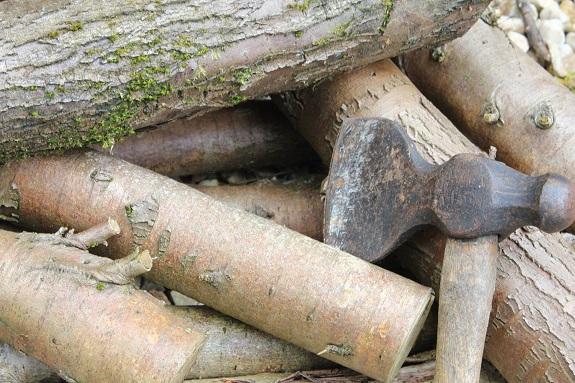
Let Up

Let Up

Let Up--Ice covered shrubA few years ago, everyone hoped an ice storm would soon let up. The heavy ice:

  • Covered and broke limbs on shrubs and trees
  • Downed power lines
  • Made travel impossible

Sometimes we feel like we cannot get a let up from life’s storms. When it rains, it pours. Problems overwhelm us. We reach the end of our rope.

Recent tornadoes:

  • Destroyed homes and property
  • Injured and killed people going about their daily lives
  • Damaged entire communities

To let up means to slow down or stop.

This can apply to:

  • Weather
  • Speed
  • Hard times
  • Physical, mental, or emotional pressure

This expression often applies to relationships.

  • Children want parents to let up on rules.
  • Employees want bosses to let up on work.
  • Many times, we need to let up on ourselves.

Whatever our pressures, God offers relief.

Problems do not always go away. However, God offers peace, hope, and comfort in every situation.

“We are pressured in every way but not crushed; we are perplexed but not in despair” (2 Corinthians 4:8 NIV).

Thanks to Sue Davis Potts for the suggestion.

Do you have an expression you want explained or a thought about this one? If so, please comment below.

Subscribe to receive my weekly posts by email and receive a free copy of “Words of Hope for Days that Hurt.”

If you enjoyed this post, please share it with your friends.

Butter Up

Butter Up

Butter Up-butter with knife and a butter moldWhen we prepare special meals or snacks, we often butter up our food to make it taste better. What would holiday meals be like without butter for the turkey, rolls, and desserts? Who wants to eat popcorn without butter during a movie? Most people find butter a pleasing addition.

Not my husband. When he was three years old, his grandmother used a mold to create a beautiful dish of butter. When he saw it on the kitchen table, he thought it was ice cream. Like most little boys would do, he found a spoon and took a bite. He still hates butter.

To butter up means to flatter or be extra nice to someone.

We usually do this before we:

  • Ask for a favor
  • Give bad news

This expression applies to most relationships.

Children butter up their parents before they ask for:

  • Money
  • A special toy or gift
  • Use of the car

Or, children may have to tell parents of :

  • Trouble they caused
  • Bad grades
  • Chores they failed to do

Students also butter up their teachers, hoping for a better grade. Employees butter up their bosses before requesting a raise.

If we do our best, we don’t have to butter up anyone.

Instead of being nice in order to get what we want, why not be nice all the time? Rather than put off bad news, why not be honest from the start? We never need to butter up if we stay on the up and up and do what we need to do.

 “You know we never used flattery, nor did we put on a mask to cover up greed—God is our witness” (1 Thessalonians 2:5 NIV).

Thanks to Regina Graham for the suggestion.

Do you have an expression you want explained or a thought about this one? If so, please comment below.

Subscribe to receive my weekly posts by email and receive a free copy of “Words of Hope for Days that Hurt.”

If you enjoyed this post, please share it with your friends.

The Squeaky Wheel Gets the Oil

The Squeaky Wheel Gets the Oil

The Squeaky Wheel Gets the Oil--old cart and carriagesOld wagons, carts, and carriages remind us that the squeaky wheel gets the oil (or grease). Their rides equal hours of fun — if the wheels work well.

However, when a wheel starts to squeak, it stands out from the others. It differs, but not in a good way. It:

  • Irritates
  • Angers
  • Makes us wish it would stop

A squeaky wheel demands attention.

No one likes that constant noise. It gets on our nerves, so we give it the attention it demands. We oil (or grease) it.

The person who complains the loudest and longest also gets the most attention.

Yet, choose carefully when to squeak and when to stay quiet.

Several situations compel us to speak up.

We should voice our concerns about:

  • Abuse or neglect
  • Serious consumer complaints
  • Obvious needs we can help

Yet, noise about everything all the time makes people avoid us.

Remember, silence can be golden. If we constantly fly off the handle, we harm ourselves as well as others.

A word to the wise: Speak up when we should make noise. Shut up when we need peace and quiet.

“Speak up for those who cannot speak for themselves, for the rights of all who are destitute” (Proverbs 31:8 NIV).

Thanks to Phyllis Patton for the suggestion.

Do you have an expression you want explained or a thought about this one? If so, please comment below.

Subscribe to receive my weekly posts by email and receive a free copy of “Words of Hope for Days that Hurt.”

If you enjoyed this post, please share it with your friends.