Browsed by
Tag: success

Outside the Box

Outside the Box

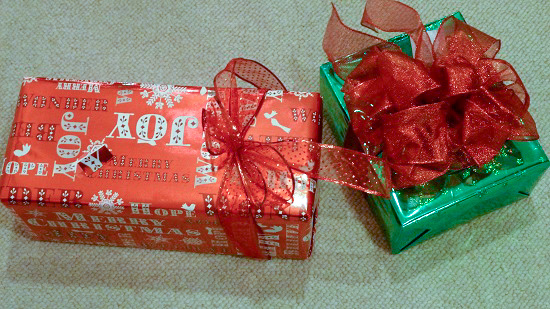
Outside the Box--two wrapped giftsSometimes we find ourselves doing the same thing over and over again. We make no progress because we never change. When that happens, we need to think outside the box.

To think outside the box means to think beyond the usual limits.

We think, plan, and act:

  • In new ways
  • Outside the norm
  • In unusual directions
  • With imagination
  • Apart from tradition

We no longer box ourselves in with the same old patterns.

Routine no longer rules. We leave our fear of the unknown and move into new territory.

During Christmas, let’s also think outside the box.

Rather than focus on giving gifts in boxes or bags, let’s focus on gifts that last. We soon forget or throw away most of our wrapped presents. Yet, we remember for a lifetime such treasures as:

  • Kindness
  • Trustworthiness
  • Helping hands
  • Time together
  • Shared sorrow or joy
  • True friendship

Now is a great time to throw out the box. Let’s:

Merry Christmas!

“This is how God showed his love among us: He sent his one and only Son into the world that we might live through him” (1 John 4:9 NIV).

Thanks to Brad Leverett for the suggestion.

Do you have an expression you want explained or a thought about this one? If so, please comment below.

Subscribe to receive my weekly posts by email and receive a free copy of “Words of Hope for Days that Hurt.”

If you enjoyed this post, please share it with your friends.

Jump the Gun

Jump the Gun

Jump the Gun--runners at a starting line

In the past, a gun fired as a signal to start many sports contests. Runners occasionally became so excited, they would jump the gun. They started running before their races began.

To jump the gun means to begin before the right time.

Like athletes, we occasionally jump the gun in life. We act too quickly.

Rather than wait until everything is ready, we start too soon. Our actions are not:

  • Appropriate
  • Wise
  • Approved

Patience is hard to practice.

 Yet, we need it. Instead of getting in too big a hurry, we want to toe the mark. Better to follow the guidelines than ruin our chances of getting where we want to go.

When tempted to bypass the rules, let’s hold our horses.

Plan to go when it’s time to go but wait when it’s time to wait.

“Wait for the Lord; be strong and take heart and wait for the Lord” (Psalm 27:14 NIV).

Thanks to Melissa Bright for the suggestion. Image by Vlad Vasnetsov from Pixabay.

Do you have an expression you want explained or a thought about this one? If so, please comment below.

Subscribe to receive my weekly posts by email and receive a free copy of “Words of Hope for Days that Hurt.”

If you enjoyed this post, please share it with your friends.

Turn the Tables

Turn the Tables

Turn the Tables: chess board reflected underneath itI never played much chess. However, I played checkers with my dad and sister for years. When I was losing, I hoped to turn the tables. I wanted to win.

I never physically turned the tables to play from the opposite side. However, I tried to change the outcome of the game.

When we turn the tables, we reverse a situation.

It becomes the opposite of what it was. We see such major changes in:

  • Board games, like chess or checkers
  • Sports events
  • Job positions
  • Any competition

This expression also applies to major changes in plans.

Usually, the change helps the person who had an earlier disadvantage. Roles reverse. The shoe is on the other foot.

How did this expression begin?

According to The Free Dictionary, “Until the mid-18th century, tables was the usual name for the board game backgammon. Early instances of the use of this phrase, dating from the mid-17th century, made it clear that it comes from the practice of turning the board so that a player had to play what had previously been their opponent’s position.”

We find examples of turned tables throughout history.

 The Bible tells the story of Joseph and his brothers. Joseph’s brothers were jealous of him and sold him into slavery. Eventually, Joseph achieved an important leadership position. When famine struck, Joseph’s brothers went to him for grain. They did not recognize him. After Joseph identified himself, his brothers feared for their lives.

Yet, Joseph did not act high and mighty when their roles changed. Instead, he forgave his brothers and provided for them.

Like Joseph, we have an opportunity to help others when the tables turn our way.

“‘But Joseph said to them, ‘Don’t be afraid. Am I in the place of God? You intended to harm me, but God intended it for good to accomplish what is now being done, the saving of many lives. So then, don’t be afraid. I will provide for you and your children.’ And he reassured them and spoke kindly to them” (Genesis 50:20-21 NIV).

Thanks to Debbie Tapscott and Beckham Wilson for the suggestion. Image by Waldemar Bajda from Pixabay.

Do you have an expression you want explained or a thought about this one? If so, please comment below.

Subscribe to receive my weekly posts by email and receive a free copy of “Words of Hope for Days that Hurt.”

If you enjoyed this post, please share it with your friends.
High Cotton

High Cotton

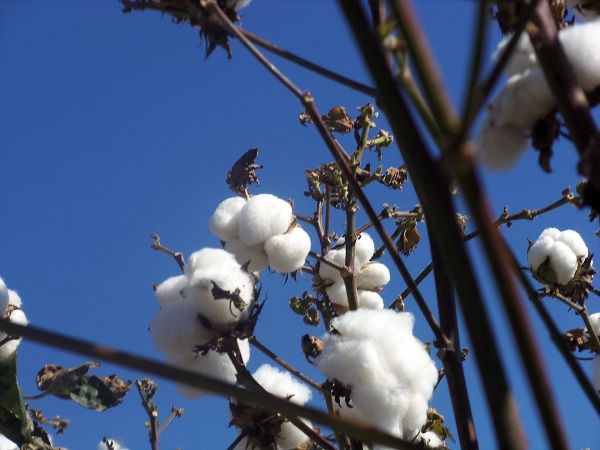
High Cotton-cotton plant beneath blue skyWhether we know it or not, we probably wish we were in high cotton.

During the height of cotton’s growing season, fluffy fields of white appear throughout the southern United States. Growers hope for a successful crop.

When we achieve success, we are in high cotton.

  • Businesses earn a high profit.
  • Students make good grades.
  • Families enjoy the perfect home.
  • Children receive their favorite toys.

High cotton does not give us the right to act high and mighty.

Success does not make us any better or worse than anyone else. With an attitude of gratitude, we use our success to help other people succeed. Rather than a big head, we develop a big heart.

We want to bear fruit that makes a lasting impact.

We have only a few years on this earth. What we do with them makes an eternal difference.

Wealth and honor come from you; you are the ruler of all things. In your hands are strength and power to exalt and give strength to all (1 Chronicles 29:12 NIV).

Thanks to James E. Hodges for the suggestion. Image by Clayton Decker from Pixabay.

Do you have an expression you want explained or a thought about this one? If so, please comment below.

Subscribe to receive my weekly posts by email and receive a free copy of “Words of Hope for Days that Hurt.”

If you enjoyed this post, please share it with your friends.

On the Right Track

On the Right Track

On the Right Track--Cog going up Pike's PeakWhen we ride a train, we want to get on the right track. We never get where we want to go if we go the wrong direction.

If I visit other countries with friends, we always stay close together when entering or exiting trains. We don’t want to arrive at the wrong destination alone.

On the right track means we will probably succeed.

This applies to travel. It also applies to life, when we head the right direction.

On the right track relates to both our thoughts and actions.

What we think usually guides our behavior. In order to find and follow the right direction, we want to choose the right:

  • Friends
  • Mentors
  • Teachers

We also want to research and think for ourselves. Any of us can be wrong at times, like a dog that barks up the wrong tree. Therefore, let’s obtain all the information we can rather than simply follow the crowd.

May we always make wise choices.

That way, we have no regrets when we reach the end of the road.

“You make known to me the path of life; you will fill me with joy in your presence, with eternal pleasures at your right hand” (Psalm 16:11 NIV).

Thanks to Ann Maniscalco for the suggestion.

Do you have an expression you want explained or a thought about this one? If so, please comment below.

Subscribe to receive my weekly posts by email and receive a free copy of “Words of Hope for Days that Hurt.”

If you enjoyed this post, please share it with your friends.
On the Ball

On the Ball

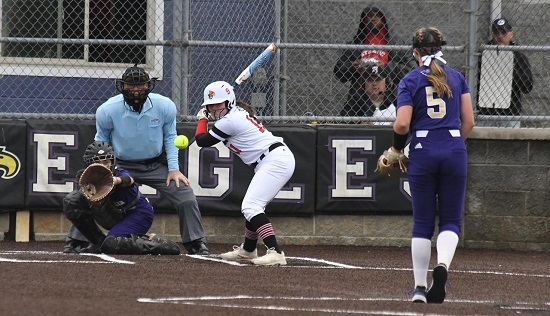
On the Ball-girl softball player at batWhen I played softball, both my coach and my husband reminded me to keep my eye on the ball. Whether batting or playing third base, I needed to focus on the ball.

As my husband said, “You can’t hit it if you don’t see it.” He also reminded me, “You can’t throw it if you don’t catch it.”

On the ball means to stay alert.

It applies to all of life.

If I remain on the ball, I:

  • Pay attention
  • Learn all I can
  • Do what needs to be done

On the ball also means skillful.

I was never the best player. I tried hard and did my best. However, other players were more skillful. They knew how to get the ball rolling in a game.

They

  • Understood the game better
  • Moved faster
  • Had more success

Many times, when they swung for the fences, they hit a home run.

Nevertheless, I

  • Had a great time
  • Met new friends
  • Made many memories

God gives new opportunities to stay on the ball every day. Like everyone, I choose whether to accept them.

“Pray in the Spirit on all occasions with all kinds of prayers and requests. With this in mind, be alert and always keep on praying for all the Lord’s people” (Ephesians 6:18 NIV).

Thanks to Carole Fite for the suggestion and to Richard Robards for the photo.

Do you have an expression you want explained or a thought about this one? If so, please comment below.

Subscribe to receive my weekly posts by email and receive a free copy of “Words of Hope for Days that Hurt.”

If you enjoyed this post, please share it with your friends.
Rub Elbows

Rub Elbows

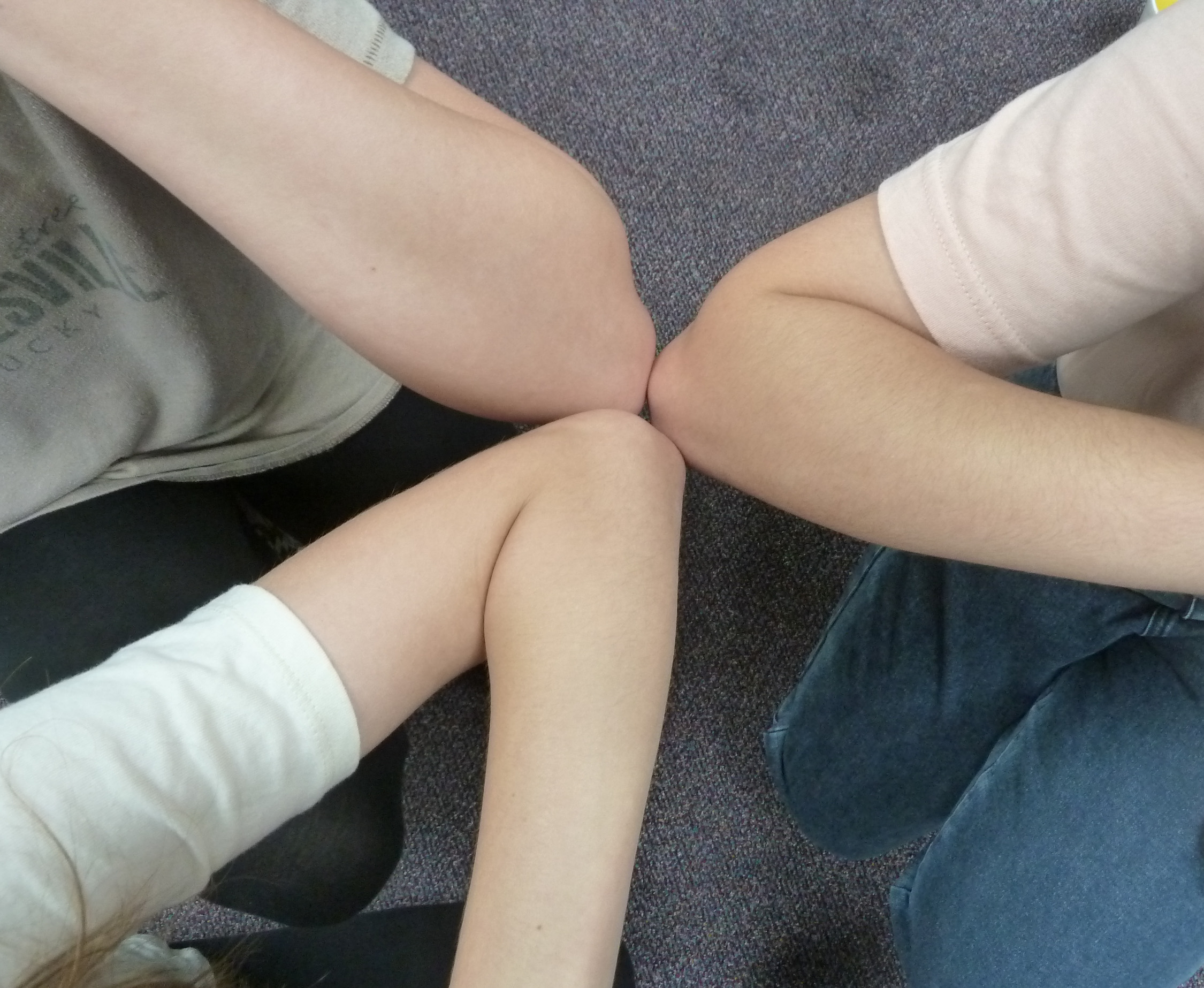
Rub Elbows-three girls' elbows touchingBecause of the Covid-19 pandemic, we rarely shake hands anymore. Instead, we bump fists or elbows. We have had few opportunities to rub elbows.

To rub elbows means to interact with another person or persons.

Our elbows rarely touch, but we make social contact. We are close enough we could touch elbows. Contacts may be one-on-one or with a group.

Such contacts do not usually require hard physical work or elbow grease. Instead, we socialize.

We rub elbows in both work and non-work settings.

If we want a better job, we try to rub elbows with our bosses. We hope to impress them with our abilities and our willingness to work hard.

If we want to join a social group, we try to rub elbows with people in that group. We hope to convince them we would make a good member.

In all our interactions with one another, we want to present ourselves well.

Rather than get off on the wrong foot,

  • Work well.
  • Treat others well.
  • Live well for the one who created us – elbows, feet, and all.

 “In your relationships with one another, have the same mindset as Christ Jesus” (Philippians 2:5 NIV).

 Thanks to Lindy Pierce for the suggestion.

Do you have an expression you want explained or a thought about this one? If so, please comment below.

Subscribe to receive my weekly posts by email and receive a free copy of “Words of Hope for Days that Hurt.”

If you enjoyed this post, please share it with your friends.
Bigwig

Bigwig

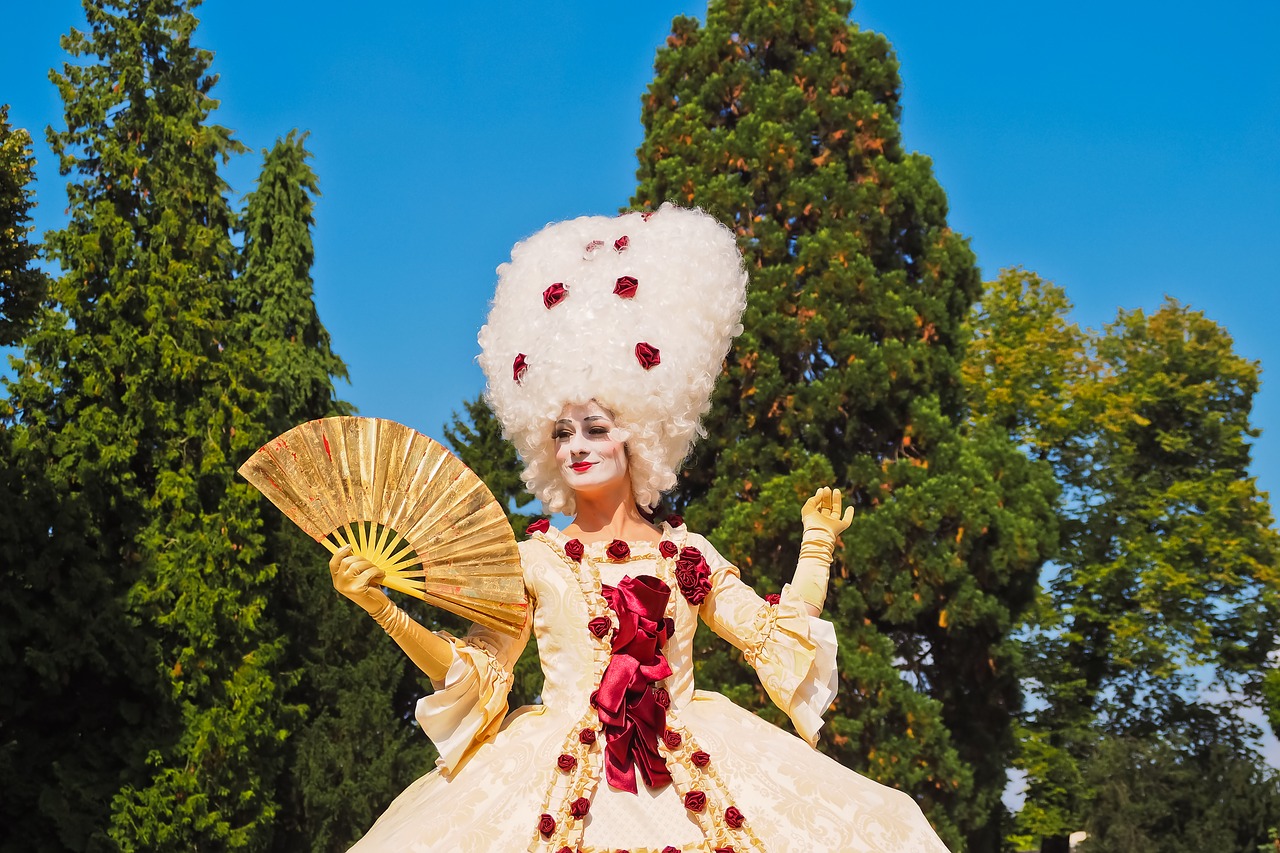
Bigwig-woman in costume with high wigFew of us are bigwigs. However, we probably know people who are.

A bigwig is an important person.

The person may be a:

  • King, queen, or other government official
  • President of a company
  • Famous actor or athlete

A bigwig usually has a high position, power, and money.

According to The Phrase Finder, “The fashion for wigs began with the Bourbon kings of France. Louis XIII (1601 – 1643) went prematurely bald and took to wearing a wig. By the middle of the century … wigs were virtually obligatory for all European nobility.” Their wigs became so large, this phrase grew in popularity.

Bigwig also means a person who pretends to be important.

If we try to be a bigwig, we act highfalutin. Our pride gives us a big head. Other people usually recognize the behavior as only an act.

Everyone is important to God.

We may not have a high position, money, or power, but God gives us purpose. May each of us find our purpose and do it to the best of our ability.

“Do not think of yourself more highly than you ought, but rather think of yourself with sober judgment, in accordance with the faith God has distributed to each of you” (Romans 12:3 NIV).

Thanks to Regina Graham for the suggestion. Image by Michael Gaida from Pixabay.

Do you have an expression you want explained or a thought about this one? If so, please comment below.

Subscribe to receive my weekly posts by email and receive a free copy of “Words of Hope for Days that Hurt.”

If you enjoyed this post, please share it with your friends.
Nail It

Nail It

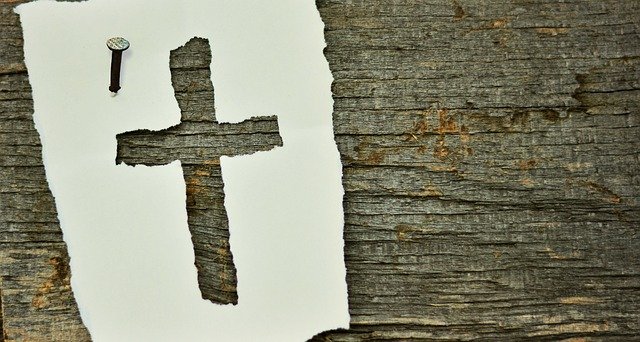
Cross in center of paper, nailed to a rough piece of woodDuring the Olympics and other sporting events, athletes want to nail it.

  • Skaters desire a perfect balance of style, strength, and difficulty.
  • Swimmers want to remain in their lanes and reach the wall first.
  • Runners pull out all the stops to cross the finish line before anyone else.

To nail it is to do a job well.

People succeed. They complete accurate work or present an almost perfect performance. They hit the nail on the head.

Jesus nailed our sins to the cross.

Although soldiers hung Him there, Jesus gave His life freely.

Jesus lived a perfect life and died the perfect sacrifice for our sins. His resurrection on the third day was the final nail of victory over sin and death.

We nail our part in God’s perfect plan when we accept Jesus’ offer of salvation.  

We cannot earn our way to heaven. However, Jesus prepared the way for us. He nailed our salvation.

At Easter and always, we celebrate and tell others of the fresh start possible through Jesus’ perfect gift.

“[God] forgave us all our sins, having canceled the charge of our legal indebtedness, which stood against us and condemned us; he has taken it away, nailing it to the cross” (Colossians 2:13-14).

Thanks to Debbie Tapscott for the suggestion. Image by congerdesign from Pixabay.

Do you have an expression you want explained or a thought about this one? If so, please comment below.

Subscribe to receive my weekly posts by email and receive a free copy of “Words of Hope for Days that Hurt.”

If you enjoyed this post, please share it with your friends.

On the Up and Up

On the Up and Up

On the Up and Up--hot air balloons in front of cloudsOn the up and up sometimes refers to people becoming successful.

With high goals and hard work, they strive for a good:

  • Income
  • Reputation
  • Position

They rise in the business world.

On the up and up also refers to anything improving.

  • Health
  • Work
  • Relationships

Today’s focus relates to behavior.

People on the up and up are:

  • Honest
  • Dependable
  • Respectable
  • Fair

Anything they say can be taken to the bank. As good as their word, they have no need to hide anything they do.

  • When they make a deal, they honor their agreement.
  • If they share information, no one doubts its truth.
  • When they promise to do something, they do it.

People whose behavior is on the up and up live clean, moral, legally upright lives.

They want to do what is right. They may not become rich or famous. However, they find far greater success than money or fame. Their choices give them a clear conscience – a gift money can never buy.

“May integrity and uprightness protect me, because my hope, Lord, is in you” (Psalm 25:21 NIV).

Thanks to Brad Leverett for the suggestion. Image by Gerhard G. from Pixabay

Do you have an expression you want explained or a thought about this one? If so, please comment below.

Subscribe to receive my weekly posts by email and receive a free copy of “Words of Hope for Days that Hurt.”

If you enjoyed this post, please share it with your friends.