Browsed by
Tag: God

My Heart Is Full

My Heart Is Full

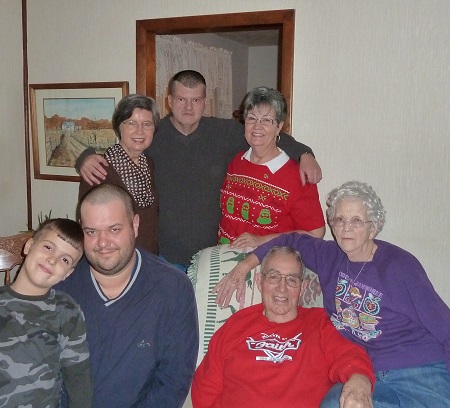
My Heart Is Full--four generation family photoMy heart is full when I spend time with people I love. It’s also full when I miss those same people. The first feels good. The second hurts.

My heart is full means I feel strong emotions.

I usually feel glad. However, it also refers to times I feel:

Emotions affect physical reactions. My heart beats faster with strong emotions. It beats slower if I feel relaxed, snug as a bug in a rug.

My heart is full of different emotions when I see this picture.

  • Memories of good times fill me with joy.
  • Missing our get-togethers brings tears.
  • Knowing my dad, mom, and younger nephew are in heaven comforts my heart.
  • Looking forward to seeing them again makes my cup run over.

I give thanks for God’s never-failing presence and the emotions to deal with every life event.

“The Lord is my strength and my shield; my heart trusts in him, and he helps me. My heart leaps for joy, and with my song I praise him” (Psalm 28:7 NIV).

If your heart is full of painful emotions due to experiencing a medical crisis, walking alongside someone who is, or caring for a loved one, my friend Tracy Crump’s book, Health, Healing, and Wholeness: Devotions of Hope in the Midst of Illness, may help. On Saturday, October 30, I will randomly select the name of one person on my mailing list to receive a free copy of Tracy’s book. Please encourage your friends to also subscribe to my mailing list for a chance to win.

Thanks to Jane Ashley Pace for the suggestion.

Do you have an expression you want explained or a thought about this one? If so, please comment below.

If you enjoyed this post, please share it with your friends.

Can’t Hear Myself Think

Can’t Hear Myself Think

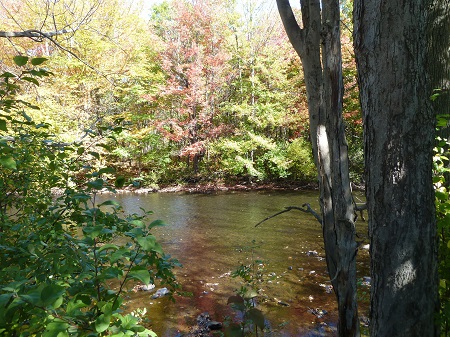
Can't Hear Myself Think--stream of water in a wooded areaSometimes life gets so loud I can’t hear myself think.

Too much noise makes concentration difficult.

Phones ring and ding. Traffic buzzes and beeps. Timers chime. Alarms sound. Emergency alerts test. Televisions and radios blare.  Dogs bark. People talk, laugh, and cry.

When the noise becomes too great, I try to get away. Although I prefer to walk, any exercise helps.

Inner noise also makes it hard to think.

My brain gets overloaded with:

  • Chores to do
  • Bills to pay
  • People to contact
  • Problems to solve
  • Paperwork to complete

When I can’t hear myself think, my mind needs a rest.

Although exercise gives some relief, my greatest help comes through time alone with God in prayer. If I remember to be still, God soothes my soul. When I can’t hear myself think, such moments of silence are golden – priceless treasures of time.

“Be still, and know that I am God” (Psalm 46:10 NIV).

Can you identify? What helps you quieten the noise? Please comment.

Thanks to Janna Babak for the suggestion.

Subscribe to receive my weekly posts by email and receive a free copy of “Words of Hope for Days that Hurt.”

If you enjoyed this post, please share it with your friends.
Don’t Sweat It

Don’t Sweat It

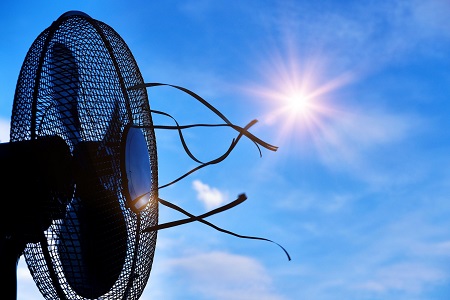
Don't Sweat It-Fan in the foreground; sun in the backgroundLast week we explored sweating bullets. This week we look at a better plan: Don’t sweat it.

Don’t sweat it means not to worry about it.

When troubles arise, sweating bullets does no good. In fact, it frequently causes great harm.

  • Upset stomach
  • Headaches
  • Tight Muscles.
  • Sleep Loss

“Ain’t no need to worry.”

Several years ago, I watched an interview of a baseball player. I don’t remember the player or his team. However, I do remember this wise (but grammatically incorrect) quote.

He explained that if we worry about something that never happens, we waste all that time and energy. Therefore, “ain’t no need to worry.”

Then he said if we worry about something that does happen, we failed to stop it. Again, “ain’t no need to worry.”

 “Why worry when we can pray?”

This quote comes from my friend Marian Woosley.

Her grammatically correct message reminds us to shake off our worry. Pray about our concerns. Let go and let God have control.

“Then Jesus said to his disciples: “Therefore I tell you, do not worry about your life, what you will eat; or about your body, what you will wear” (Luke 12:22 NIV).

Do you have an expression you want explained? If so, please comment below.

Subscribe to receive my weekly posts by email and receive a free copy of “Words of Hope for Days that Hurt.”

If you enjoyed this post, please share it with your friends.
Image by Bruno /Germany from Pixabay.

Cool as a Cucumber

Cool as a Cucumber

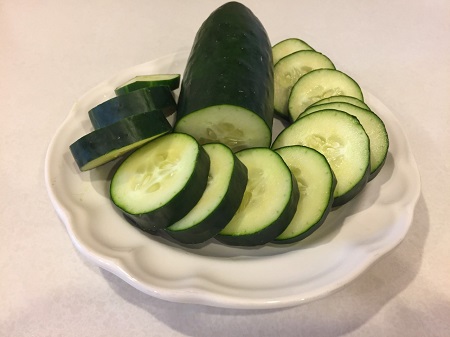
Cool as a Cucumber--sliced cucumberSome people stay cool as a cucumber.

Whether good times or bad, they remain calm.

Cucumbers are mostly water, which keeps them cool. A slice of cucumber in a glass of water provides cool refreshment on a hot summer day.

However, cool as a cucumber does not refer to a cool temperature. It means people who rarely get upset.

  • Plans don’t go their way. They make other plans.
  • People mistreat them. They still treat those people well.
  • Losses occur. They give thanks for what they had.

They live an easy-does-it life and look for the light at the end of the tunnel.

Few things get them down.

When they do get down, they soon rise again and keep going. They know that nothing in this life lasts forever. Therefore, they make the most of the moments they have.

Cool as a cucumber people spread peace.

By staying calm and peaceful, they help people around them stay calm and peaceful.

Peace that never fails can be found when anyone lets go and lets God.

“[God’s] peace will keep your thoughts and your hearts quiet and at rest as you trust in Christ Jesus” (Philippians 4:7 TLB).

Thanks to Janna Babak for the suggestion.

Do you have an expression you want explained? If so, please comment below.

Subscribe to receive my weekly posts by email and receive a free copy of “Words of Hope for Days that Hurt.”

If you enjoyed this post, please share it with your friends.
To Die For

To Die For

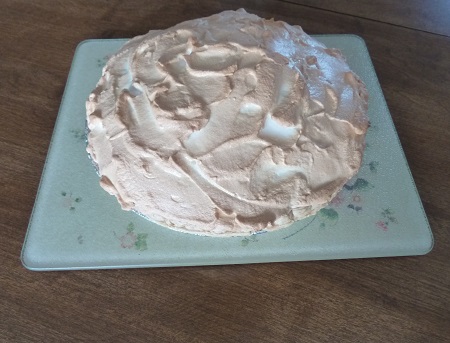
My sister-in-law recently described a pie to die for. She told how it:

  • Looks
  • Tastes
  • Makes her feel

Anything to die for seems very important.

 People want it because it:

  • Looks wonderful
  • Makes them happy
  • Has great value

Most people will not actually die for a piece of pie (or other food).

However, they will pay a high price for it. They want it that much.

Besides food, items to die for might include:

  • Clothing
  • Jewelry
  • Cars
  • Houses
  • Trips

None of those is worth people giving their lives.

However, many people will die for what they believe.

A few who go beyond the call of duty include:

  • Veterans
  • Missionaries
  • Police officers and firefighters
  • Others who protect family and friends

God loved the world enough to send Jesus to die for it.

Jesus died so anyone who follows him can have eternal life.

“God demonstrates his own love for us in this: While we were still sinners, Christ died for us” (Romans 5:8 NIV).

 Thanks to Melissa Scott Taylor for the suggestion and to Winona Smith for the photo of one of her wonderful pies.

Do you have an expression you want explained? If so, please comment below.

Subscribe to receive my weekly posts by email and receive a free copy of “Words of Hope for Days that Hurt.”

If you enjoyed this post, please share it with your friends.
In the Books

In the Books

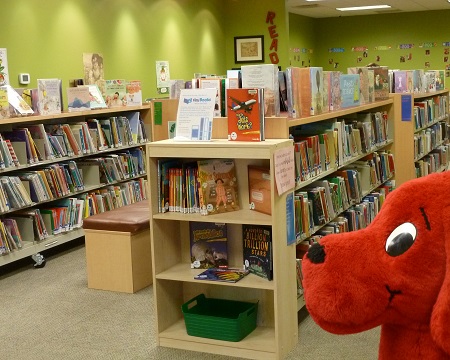
In the Books--children's libraryWhen we want to check if something happened, we look in the books.

Anything in the books is a matter of record.

It is:

  • Completed
  • Finished
  • History

For example:

  • A new year begins. The old year is in the books.
  • Lawmakers pass a law. The law goes in the books.
  • A person retires. Her job is in the books.
  • Someone dies. His life goes in the books.
  • People turn over a new leaf. They put their old habits in the books.

Not everything in the books is correct.

Mistakes happen. Just because we see something in writing does not make it right. Therefore, we want to check for truth.

However, we can always trust one book.

The Bible shares God’s truth with the world. We want to go by the book with that book. Therefore,

  • Open it.
  • Read it.
  • Live it.

God remains ready to give us a fresh start anytime, anywhere. If we accept Jesus as Savior and Lord, our future is secure. Our salvation is complete or in the books.

“I saw the dead, great and small, standing before the throne, and books were opened. Another book was opened, which is the book of life. The dead were judged according to what they had done as recorded in the books” (Revelation 20:12 NIV).

Thanks to Sue Davis Potts for the suggestion.

Do you have an expression you want explained? If so, please comment below.

Subscribe to receive my weekly posts by email and receive a free copy of “Words of Hope for Days that Hurt.”

If you enjoyed this post, please share it with your friends.
Third Time’s a Charm

Third Time’s a Charm

Third Time's a Charm--4-lead clovers in tic-tac-toe rowI have heard third time’s a charm all my life. Like many older expressions, I could not find its origin.

Third time’s a charm means the third time will probably be successful.

Some people say third time’s a charm for good luck. They believe the expression is true. Others hope it is true.

I don’t believe in luck. However, I do believe in hard work and not giving up. Therefore, the more I try, the greater my chances of success.

Rather than third time’s a charm, I prefer try, try again.

If one effort does not work, I go back to the drawing board until I figure out what to do. I must:

Although I don’t believe in luck, I do enjoy looking for four-leaf clovers that are considered good luck. I also enjoy jokes about the luck of the Irish.

Third Time's a Charm--Happy St. Patrick's DayAbove all, I depend on guidance from my never-failing God.

Happy St. Patrick’s Day!

“The Lord bless and keep you” (Numbers 6:24 NIV).

Thanks to Walter Maude for the suggestion. Photos courtesy of Pixabay.

Do you have an expression you want explained? If so, please comment below.

Subscribe to receive my weekly posts by email and receive a free copy of “Words of Hope for Days that Hurt.”

If you enjoyed this post, please share it with your friends.

At the End of the Day

At the End of the Day

At the End of the Day--sunset over treesAt the end of the day means our final conclusion.

We have considered everything. We have:

  • Discussed
  • Analyzed
  • Experimented
  • Then made our decision

At the end of the day, we choose.

  • Who will share my life?
  • What will I do?
  • Where will I live?
  • When will I do what needs to be done?
  • How will I treat others?

We make our at the end of the day decisions any time of day.

  • Morning
  • Midday
  • Evening
  • Night

The time matters little, but, at some point, we must decide. We cannot ride the fence forever.

Our at the end of the day decisions show what we value most.

Will we choose:

  • Money
  • Status
  • Power
  • Popularity

Or will we choose:

  • A relationship with God
  • Time with family
  • Making our world a better place

As the song “When It’s All Been Said and Done” reminds us, only what’s done for love lasts.

“Jesus replied: ‘“Love the Lord your God with all your heart and with all your soul and with all your mind.” This is the first and greatest commandment. And the second is like it: “Love your neighbor as yourself.” All the Law and the Prophets hang on these two commandments.’” (Matthew 22:37-40 NIV).

Thanks to Margaret Bertram for the suggestion.

Do you have an expression you want explained or a thought about this one? If so, please comment below.

Subscribe to receive my weekly posts by email and receive a free copy of “Words of Hope for Days that Hurt.”

If you enjoyed this post, please share it with your friends.

Grass Is Always Greener on the Other Side

Grass Is Always Greener on the Other Side

Grass is Always Greener on the Other Side--pony eating through fenceThe grass is always greener on the other side of the fence. Or so it seems.

That applies to both animals and people. Cows or horses stick their heads through fences to eat grass on the other side. People often try to reach the other side as well.

Many of us believe other people live a better life.

Therefore, we want what we don’t have:

  • Bigger homes
  • Nicer cars
  • Cooler clothes
  • Better-paying jobs
  • More travel
  • Well-behaved children

Life seems perfect for others, while we struggle from day to day. As a result, we get down in the mouth.

The grass is not always greener on the other side.

Most people have problems. No one may see those problems, but they are there. Their problems may differ from ours, but that does not make them any easier.

Happiness comes from within.

We never find happiness by:

  • Comparing our lives with others
  • Getting more than everyone else
  • Eating high on the hog

We find true happiness by:

  • Following God’s plan
  • Learning to be content in good times and bad
  • Valuing people more than things
  • Sharing what we have with those in need

Don’t believe the grass is always greener on the other side. It may be occasionally. Usually it is not.

“Godliness with contentment is great gain” (1 Timothy 6:6 NIV).

Thanks to Shirley Redding Rice for the suggestion. Photo courtesy of Unsplash.

Do you have an expression you want explained or a thought about this one? If so, please comment below.

Subscribe to receive my weekly posts by email and receive a free copy of “Words of Hope for Days that Hurt.”

If you enjoyed this post, please share it with your friends.

Nip It in the Bud

Nip It in the Bud

Nip It in the Bud--plant with flowers and buds“Nip it in the bud. Just nip it in the bud.” Barney Fife on The Andy Griffith Show said that over and over. We laughed at Barney’s many messes. However, he did get a few things right.

We often need to nip it in the bud.

 We want to:

  • Stop something at an early stage
  • Prevent a problem before it happens
  • End a problem before it gets bigger

Taking action now may prevent regret later. Better safe than sorry.

If we don’t want a flower to bloom, we nip it in the bud.

We cut or break off the bud before it blooms. Sometimes, cold weather nips a flower in the bud.

Like flowers, some situations need nipping. To prevent problems or danger:

  • Parents punish their children’s bad behaviors.
  • Bosses fire lazy workers.
  • We quit bad habits.

Whether we nip buds or let them bloom, we can trust the Creator of them all. 

Also, with God’s help, we can always bloom where we’re planted.

“Though the fig tree does not bud and there are no grapes on the vines, though the olive crop fails and the fields produce no food, though there are no sheep in the pen and no cattle in the stalls, yet I will rejoice in the Lord, I will be joyful in God my Savior” (Habakkuk 3:17-18 NIV).

Do you have an expression you want explained or a thought about this one? If so, please comment below.

Subscribe to receive my weekly posts by email and receive a free copy of “Words of Hope for Days that Hurt.”

If you enjoyed this post, please share it with your friends.